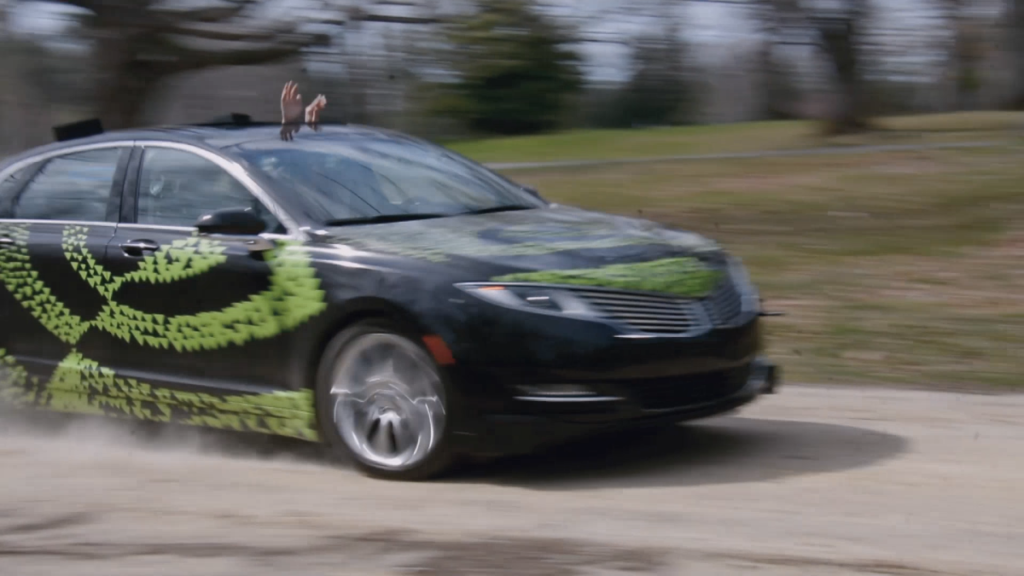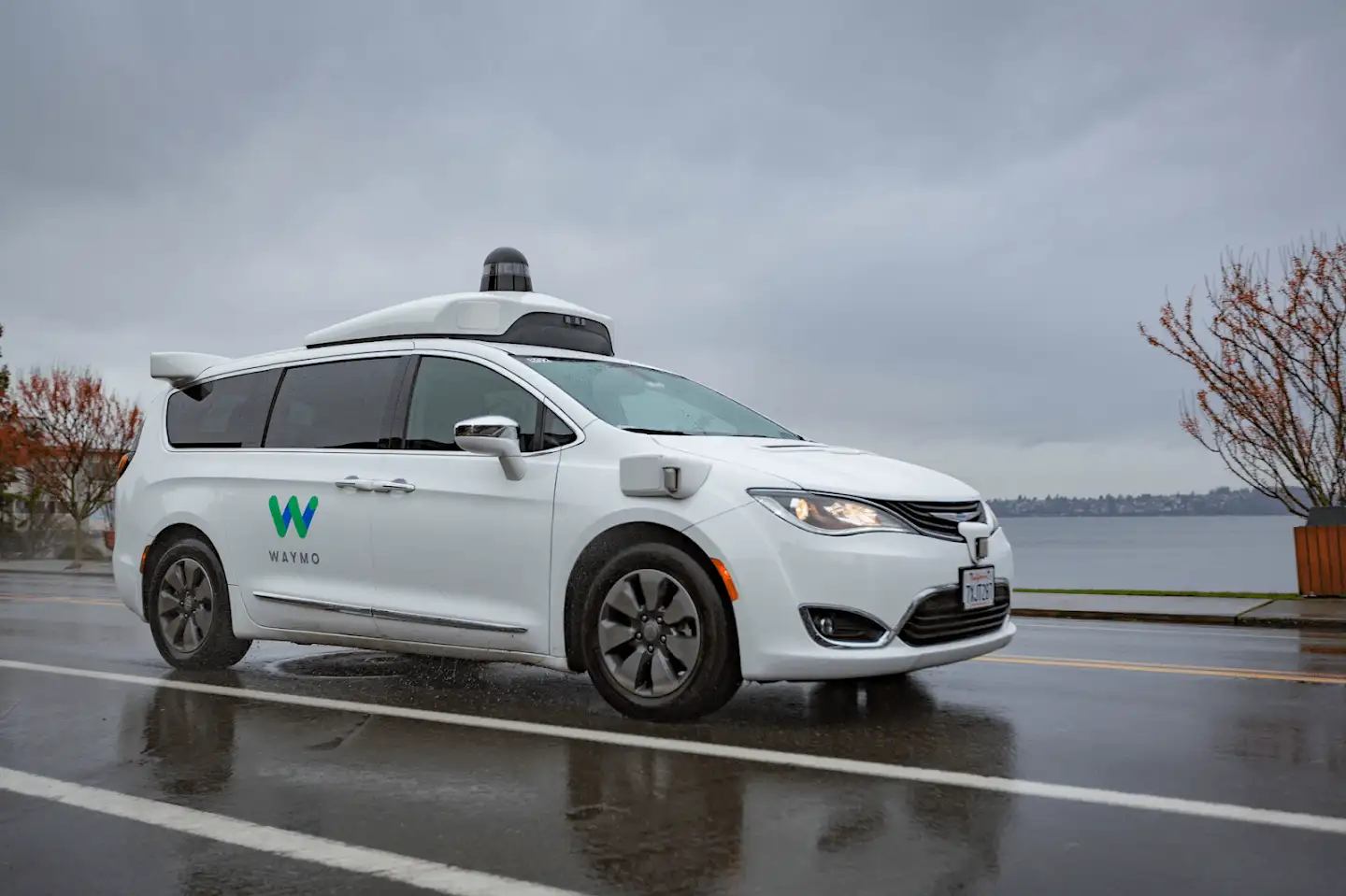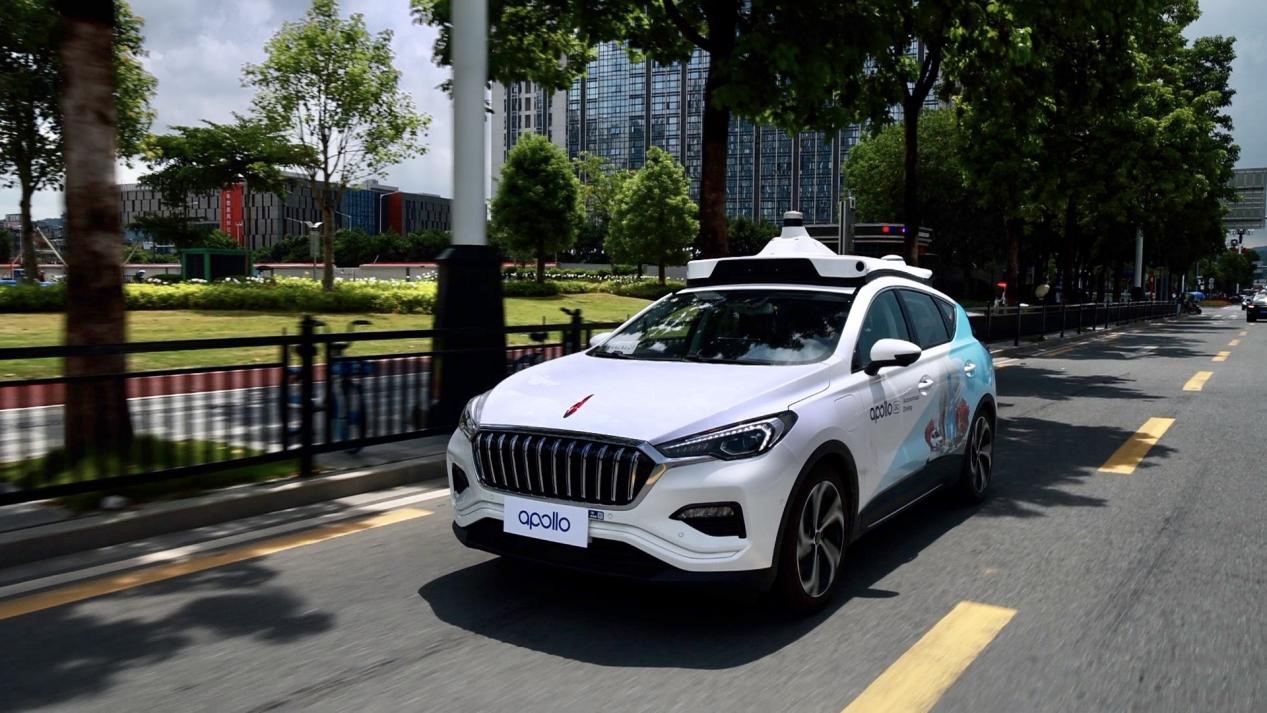
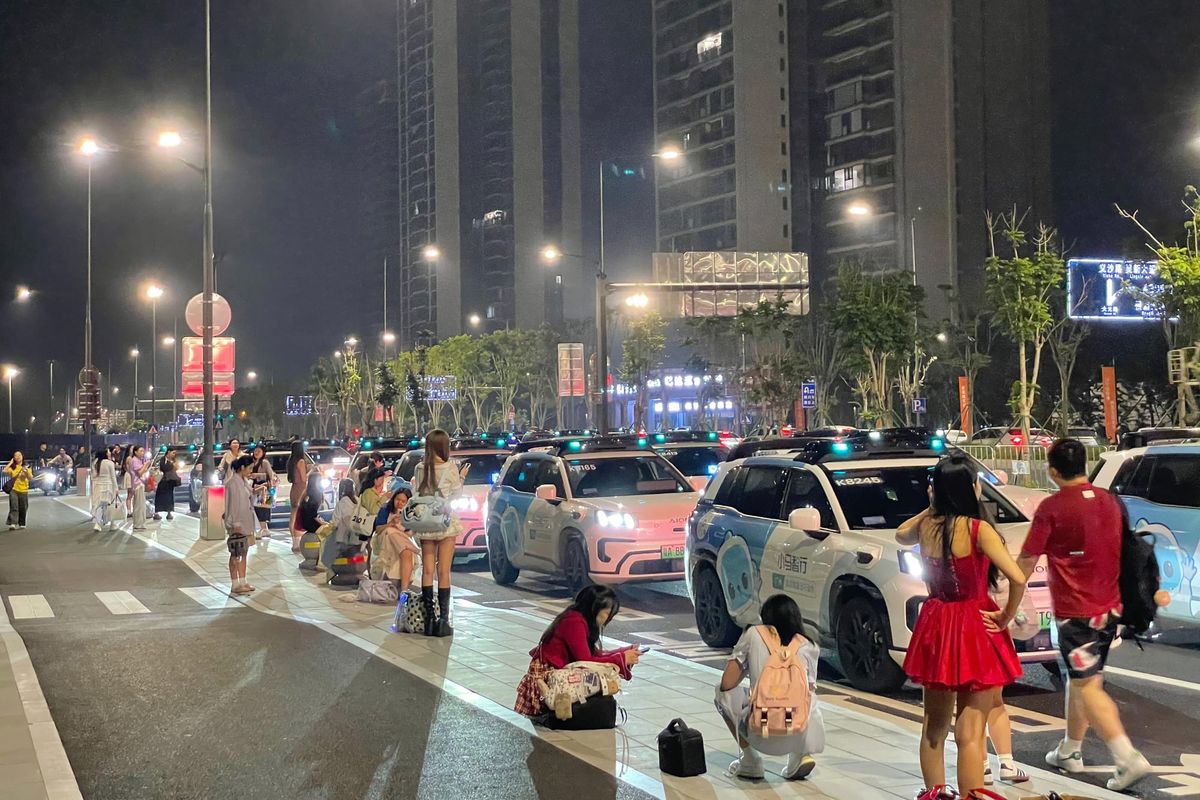
 A fleet of Pony.ai Level 4 robotaxis lined up to pick up passengers in a Chinese city, illustrating the transition of autonomous mobility from technical demonstration to real commercial operations in defined urban environments. Source: Pony.ai
The forecasts underestimated the difference between technical feasibility and scalable deployment, as well as the underlying economics. Regulation, insurance, liability, public acceptance, fleet maintenance, remote assistance, and mapping all influence whether an autonomous-driving system can move beyond a successful demonstration into a sustainable service. Autonomous driving is not one technology, but an entire ecosystem.
The optimism surrounding autonomous driving in the late 2010s was shaped by rapid progress in machine learning, sensor technology, and vehicle automation. Yet the transition from a vehicle that can perform a driving task to a system that can operate reliably and economically at scale has proved more complex.
The distinction is important. A successful technical demonstration does not automatically establish commercial viability. Likewise, a commercial service operating in a defined area does not imply that the same technology can operate across all roads, weather conditions, and traffic environments.
The experience of the industry suggests that the path toward widespread autonomous driving depends not only on improving vehicle capabilities, but also on addressing safety validation, operational design domains, infrastructure, regulation, and the economics of sustained deployment.
The original 2017 forecasts should therefore be evaluated against their specific assumptions, target dates, and definitions of success. Some predictions may have been delayed, some partially realized, and others revised as the technical and commercial landscape changed.
The New Forecast
Current industry expectations remain differentiated by application and geography. McKinsey's January 2026 survey of autonomous-vehicle industry experts reports that Level 4 robotaxis are already available in initial cities in the United States and China, while large-scale global deployment is expected around 2030 rather than 2029. The survey also reports that autonomous-trucking viability is expected around 2032. These are expert expectations, not guaranteed deadlines.
Deployment is occurring across different operational domains. Robotaxis are expanding in selected cities, autonomous trucking is being developed for specific routes and operating conditions, and industrial vehicles can be deployed in controlled environments. Highway automation and private vehicles follow different technical, regulatory, and commercial paths.
These distinctions matter because autonomy is defined within an operational design domain. A Level 4 vehicle can operate without a human driver ready to take over within its defined conditions, but it is not designed to operate autonomously in every environment. The scope of its capabilities depends on the system's intended operating conditions.
Over the past two decades, the industry's challenges have expanded rather than followed a single, universal sequence. Early research confronted basic navigation and vehicle control. Later systems made substantial advances in perception and decision-making, while deployment introduced additional demands involving data collection, unusual scenarios, safety validation, remote assistance, maintenance, regulation, and cost.
The relative importance of these challenges varies across technical approaches and deployment environments. Progress in one area does not necessarily eliminate the others.
The Revolution Did Not Disappear; It Changed Shape
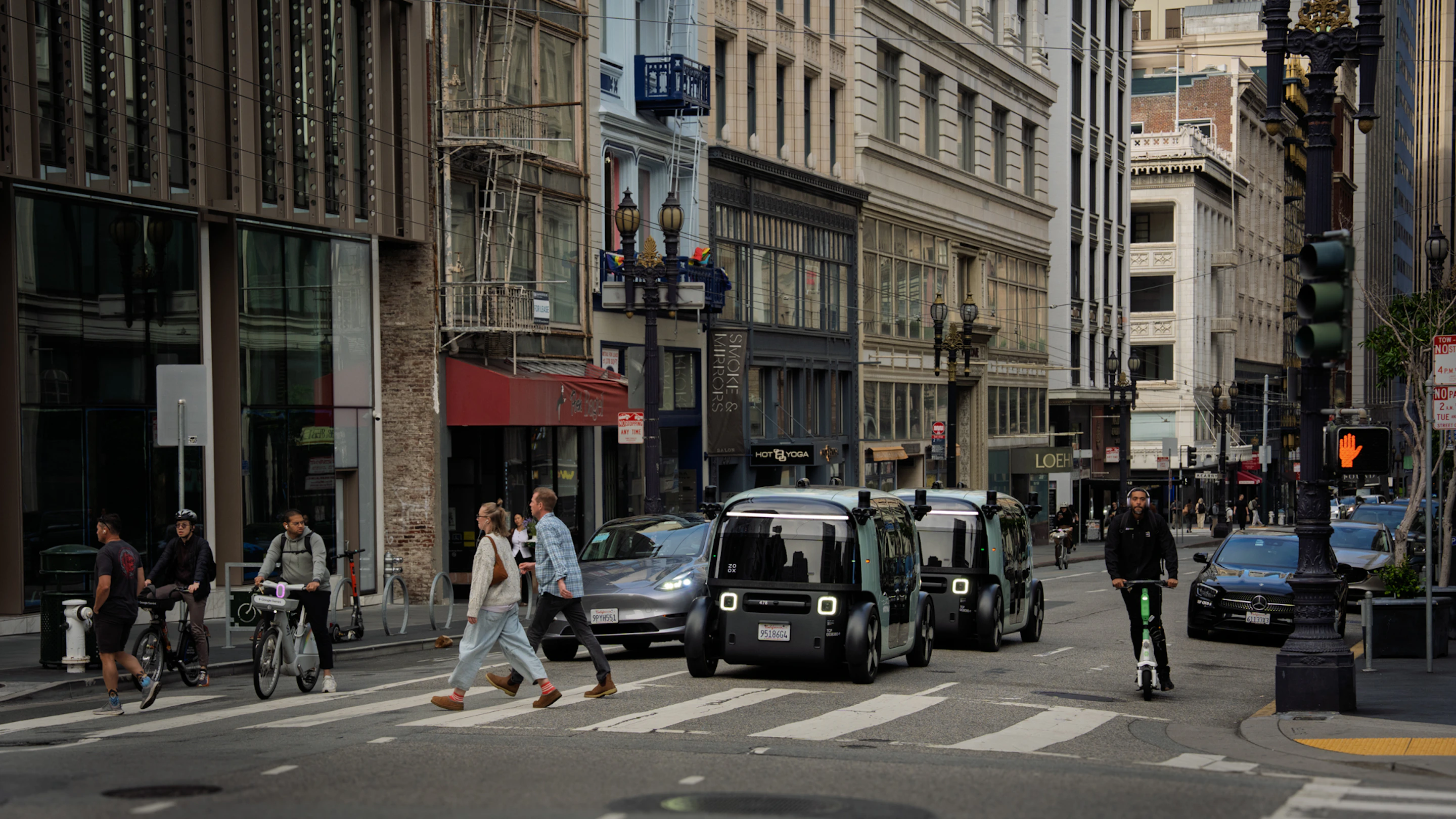 Purpose-built, driverless Zoox robotaxis navigate pedestrian-heavy traffic in downtown San Francisco, demonstrating how Level 4 autonomous systems must continuously evaluate perception, prediction, and multi-agent interactions in dynamic operational design domains. Source: Zoox
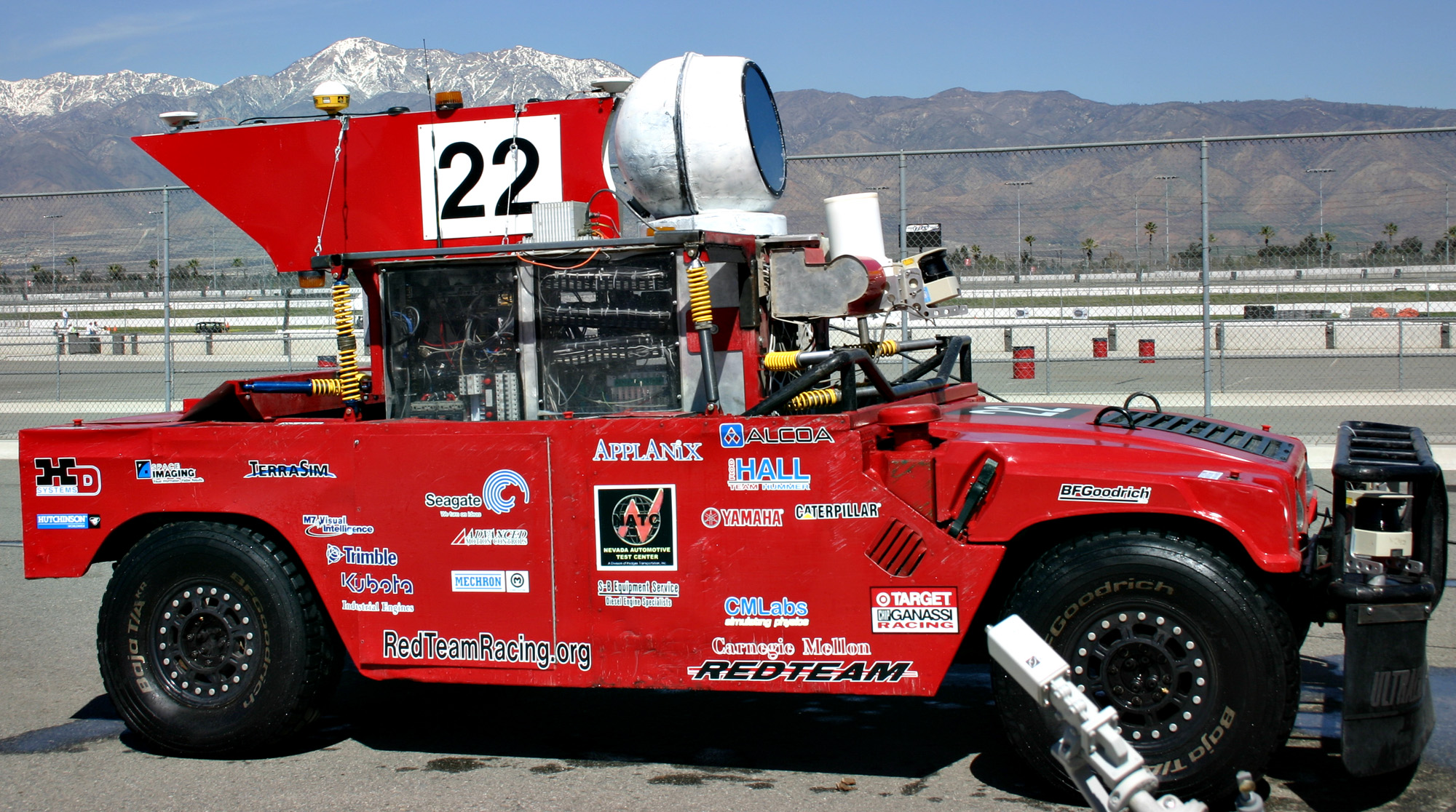
The history of autonomous driving is a story of technological maturation, but it is also a story of changing objectives. DARPA's early challenges demonstrated that autonomous vehicles could navigate difficult environments under defined conditions. The 2005 Grand Challenge marked a major advance over the failed 2004 attempt, while the 2007 Urban Challenge extended autonomous driving research into a controlled urban environment involving traffic interactions and complex maneuvers.
During the 2010s, advances in deep learning contributed to significant improvements in machine perception and helped accelerate commercial and research investment. These advances, however, did not resolve every challenge associated with reliable autonomous operation. Perception, prediction, planning, safety validation, and operational constraints remained interconnected parts of the problem.
The investment expansion that followed helped establish new companies, research programs, and technological approaches. As the industry moved toward commercial services, attention increasingly included the cost of deployment, the ability to maintain fleets, and the requirements for operating these systems within regulatory and safety frameworks.
The robotaxi era has demonstrated that Level 4 autonomy can be deployed in defined environments. Commercial services represent a meaningful operational milestone, but they should not be confused with universal autonomous driving or with proof that every proposed business model will be economically sustainable.
The foundation-model era introduces another line of investigation: whether more general AI systems can improve the ability of autonomous vehicles to perceive, reason about, and act across diverse driving situations. This research raises important questions about generalization, robustness, and safety-critical reliability. It does not, by itself, establish that artificial general intelligence has been achieved.
The first generation of autonomous-driving research focused on teaching machines to perform driving tasks. The emerging generation is exploring how systems can represent and respond to a broader range of situations in the physical world. The direction is a continuation of the original problem, but the methods and expectations are changing.
Twenty Years After the First DARPA Challenge
In 2004, DARPA asked whether a machine could drive across the desert, and the answer was no. None of the vehicles completed the designated route. In 2005, the answer changed: Stanford Racing Team's vehicle, Stanley, won the competition, and five vehicles completed the 132-mile course.
In 2007, the DARPA Urban Challenge extended the research into a staged urban environment. The competition required autonomous vehicles to drive in traffic and perform complex maneuvers, including merging, passing, parking, and negotiating intersections. Six robotic vehicles completed the final event.
During the 2010s, autonomous driving became a major area of research, entrepreneurship, and investment. Advances in machine learning, computing, sensing, and mapping contributed to the development of increasingly capable systems. The subsequent transition toward commercial deployment exposed the additional requirements of operating these systems consistently, safely, and economically. In the 2020s, Level 4 robotaxis moved into commercial operations in selected environments.
The expansion of these services has provided practical evidence about the challenges of operating autonomous fleets, while industry forecasts continue to distinguish between early deployments and large-scale adoption. McKinsey's January 2026 survey describes both existing initial-city deployments and expectations for larger-scale rollout around 2030.
Now, the industry confronts an even broader question: can artificial intelligence move from performing specific driving tasks to supporting systems that are sufficiently general, reliable, and economical to operate safely across a wide range of physical-world conditions? That question extends beyond the original DARPA challenge. The early competitions tested whether machines could complete defined routes and maneuvers. Modern autonomous-driving programs must address the sustained operation of complex systems involving vehicles, software, infrastructure, people, regulation, and business models.
Autonomous driving may ultimately be remembered as an important early field in the effort to build artificial intelligence that can perceive, reason about, and act in the real world. Its development has taken longer and followed a more varied path than many early forecasts suggested. But the underlying challenge has remained consistent: creating machines that can perform useful actions in environments that are dynamic, uncertain, and difficult to fully anticipate.
The revolution did not disappear. It became a broader engineering and operational problem—one in which progress is measured not only by whether a machine can drive, but also by whether it can do so safely, reliably, and sustainably within the conditions for which it was designed.