The EV Opportunity
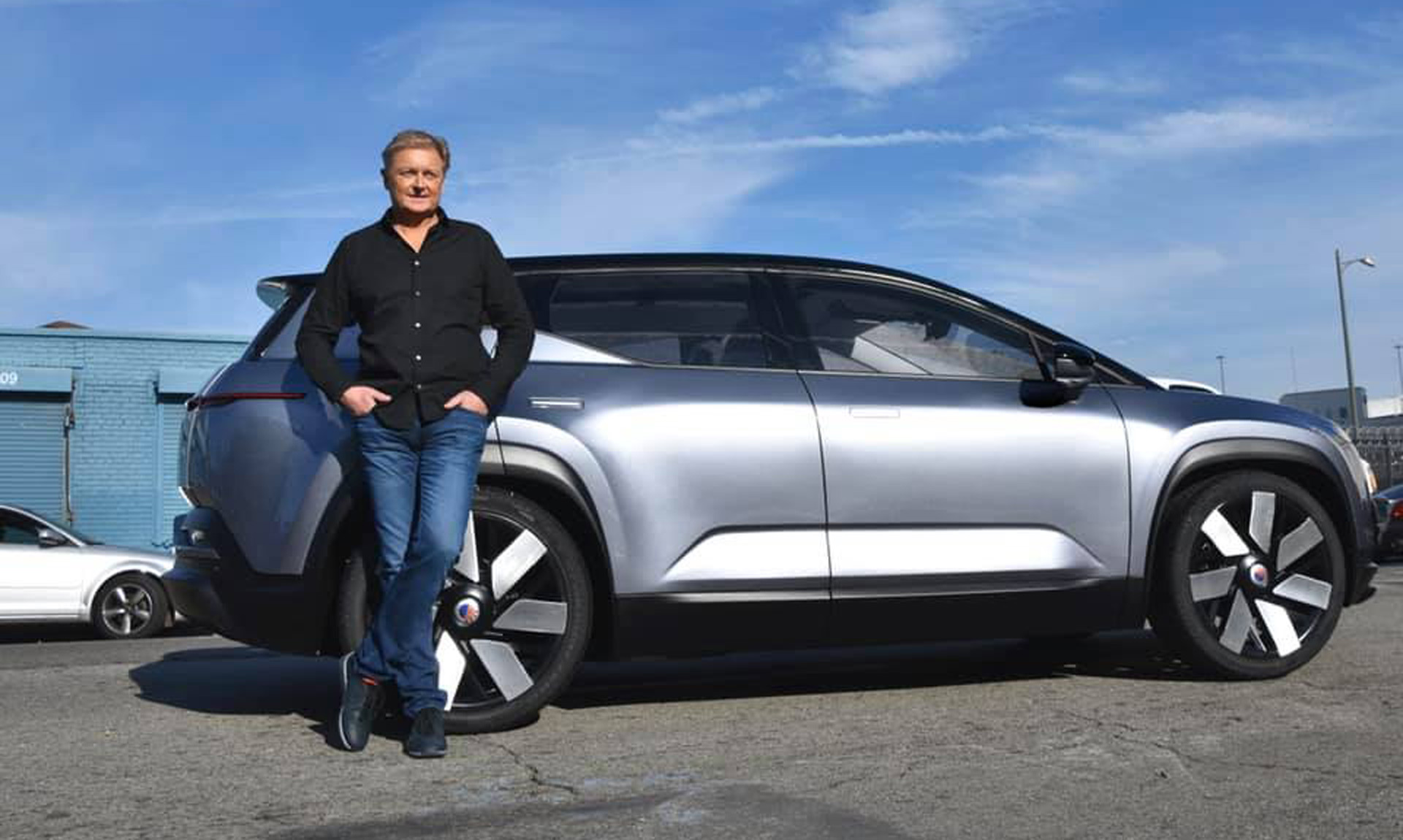 Fisker's asset-light strategy reflected the EV boom's promise: an ambitious electric vehicle backed by public-market capital, with production outsourced rather than built around its own conventional factory network. Credit: Fisker Inc
In 2019 and 2020, the electric vehicle was no longer simply a technological alternative to the internal-combustion engine. It was becoming one of the biggest investment stories in the automotive industry. Global electric-car sales had reached about 2.1 million units in 2019 and continued to rise despite the disruption caused by the COVID-19 pandemic. Battery technology was improving, governments were tightening emissions policies, and Tesla had demonstrated something that had once seemed unlikely: an electric car could be desirable, fast, technologically sophisticated and commercially powerful. For investors, the opportunity appeared enormous.
The question was no longer whether electric vehicles had a future. The question was who would build that future. That question opened the door to one of the most extraordinary episodes in the modern automotive capital market: the electric-vehicle SPAC boom. The optimism was not difficult to understand. Electric vehicles were benefiting from several trends at the same time. Battery costs had fallen dramatically over the previous decade. Range was improving. Governments were introducing incentives and increasingly stringent emissions requirements. Automakers were committing billions of dollars to electrification. And Tesla had transformed the image of the electric car from an environmental compromise into a technology product.
The opportunity extended well beyond passenger cars. Electric vans, buses and trucks promised potentially lower operating and maintenance costs for fleets, particularly those running predictable routes. Battery systems, charging infrastructure, power electronics and software created additional markets around the vehicle itself. A new automotive ecosystem appeared to be forming. There was therefore a legitimate reason to believe that a new generation of companies could emerge alongside the established manufacturers.
The Challenge of Manufacturing at Scale
But beneath the optimism was a distinction that would eventually become decisive. The opportunity to sell electric vehicles was not the same as the ability to manufacture them profitably. Designing a vehicle is difficult. Manufacturing one at scale is something else entirely.
A company can build a prototype with a relatively small team and a relatively modest amount of capital. Turning that prototype into tens of thousands of reliable vehicles requires factories, tooling, batteries, suppliers, software, homologation, quality control, logistics, service networks and enormous amounts of working capital. Every component has to arrive at the right factory, at the right time, at the right quality and at a cost that allows the finished vehicle to make economic sense. That gap between technology development and industrial scale would eventually define the fate of many of the companies that emerged during the EV boom. At first, however, the financial markets were focused on something else: speed.
The SPAC Shortcut
The traditional route to becoming a public company requires a private business to build a financial history, work with investment banks and go through an initial public offering. A SPAC offered another route. A special purpose acquisition company was already publicly traded and held cash raised from investors. It could merge with a private company, effectively taking that company public without the traditional IPO process. For young EV companies, the attraction was obvious. A SPAC could provide access to public-market capital, a faster route to becoming publicly traded and, in many cases, substantial additional financing through private investment in public equity, or PIPE transactions. In these transactions, private investors committed capital to the company as part of, or alongside, the merger process.
More importantly, it allowed investors to place a value on a company based largely on what it was expected to become. The broader market was already primed for the phenomenon. In 2020, 22 companies in the auto and mobility sector went public through SPAC transactions, compared with only five such transactions between 2015 and 2019. EV companies and businesses supporting electrification represented a large share of those deals. The timing could hardly have been more favorable.
Interest rates were extremely low. Financial markets were awash with liquidity following the initial shock of the pandemic. Investors were willing to accept aggressive growth assumptions across technology and other emerging industries. SPAC sponsors were searching for companies with the potential to become the next major growth story. EV startups fit that narrative almost perfectly. The first wave produced some of the names that would become synonymous with the boom.
The First Wave of EV Startups
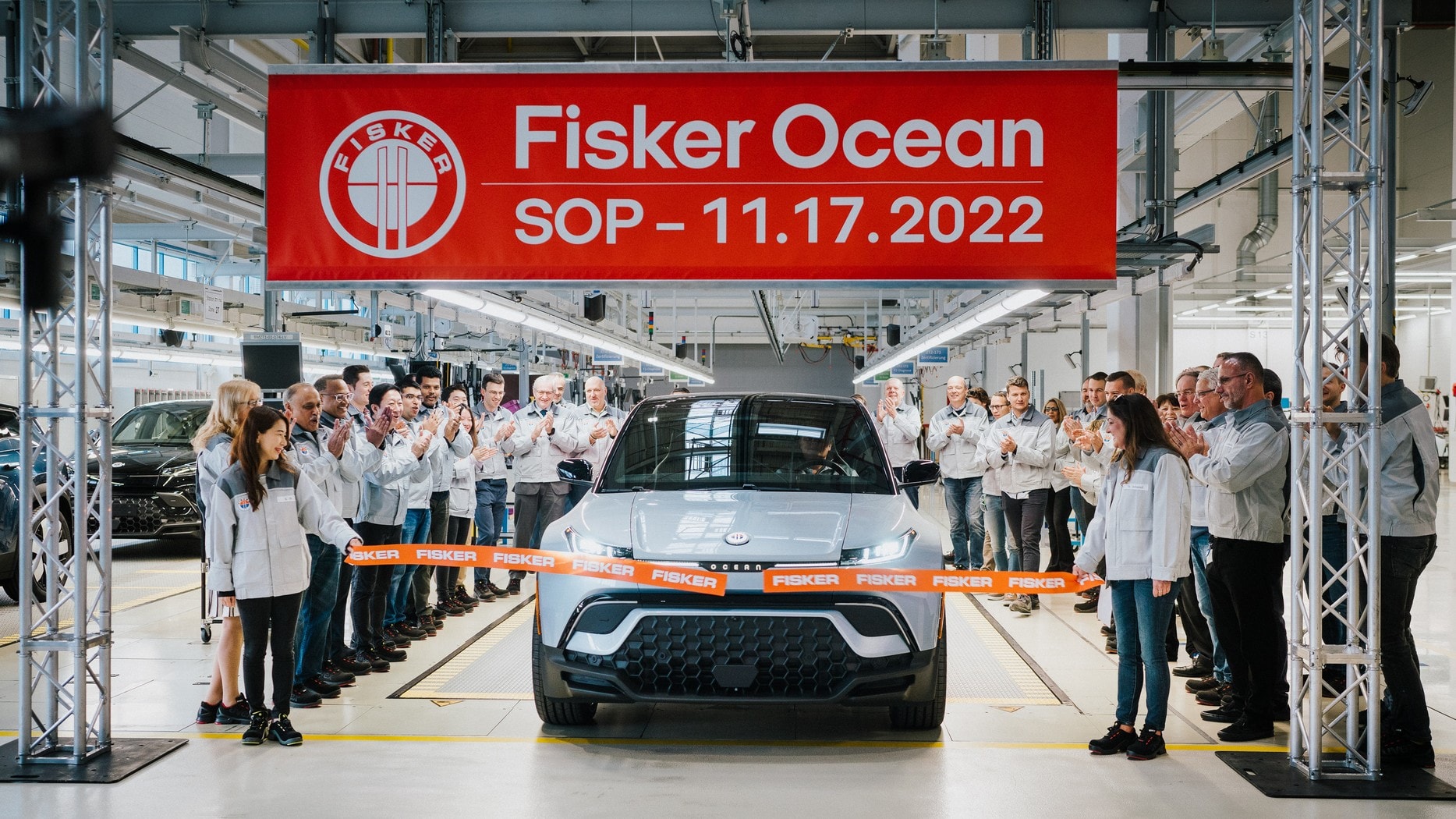
Nikola was among the most prominent. In 2020, the company agreed to merge with VectoIQ in a transaction that assigned it a pro forma enterprise value of approximately $3.3 billion and included a $525 million PIPE. Nikola said at the time that it had more than 14,000 vehicle pre-orders, representing more than $10 billion in potential revenue. The numbers were impressive, particularly for a company that had not yet established commercial-scale production. But that was precisely what made the new capital-market environment so different: investors were being asked to finance the company that Nikola could become. Fisker followed with a very different proposition. Rather than building a conventional automotive manufacturing operation from scratch, Henrik Fisker's company pursued an asset-light model, relying heavily on external manufacturing partners. Its merger with Spartan Energy valued the company at approximately $2.9 billion, with more than $1 billion in gross proceeds intended to fund development of the Ocean through production.
Canoo offered another interpretation of the electric vehicle. Its skateboard platform was designed to support several vehicle configurations, allowing the company to position itself not simply as an automaker but as a technology and platform business. Its merger with Hennessy Capital valued Canoo at approximately $2.4 billion and was expected to provide about $600 million in gross proceeds. Lordstown Motors was pursuing another enormous opportunity: the electric pickup truck. Its merger with DiamondPeak valued the company at approximately $1.6 billion, with a strategy aimed particularly at the commercial-fleet market. None of these ideas was inherently absurd.
Electric vehicles really were becoming a major industry. Battery technology really was improving. Fleet electrification really did offer potential economic benefits. And the global automotive market was large enough to support new entrants if they could execute. But the valuations were beginning to expose a crucial feature of the boom. Investors were increasingly valuing what these companies could become rather than what they had already demonstrated.
Valuing the Future
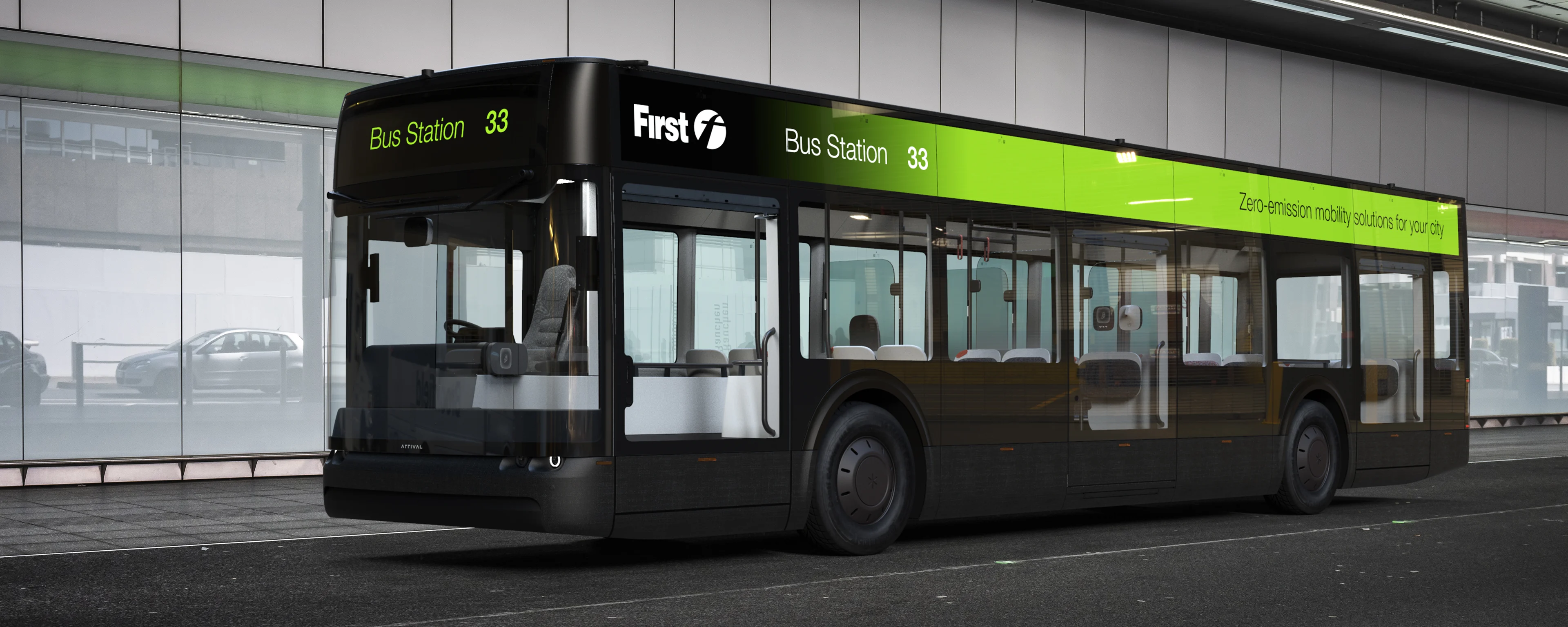 Arrival's microfactory strategy challenged conventional automotive manufacturing, illustrating how EV startups sought to rethink not only the vehicle but also the industrial systems required to produce it at scale. Credit: Arrival
Then 2021 arrived, and the numbers became even larger. If 2020 established the mechanism, 2021 showed just how far the market was willing to take it. Lucid was perhaps the clearest example. The premium EV manufacturer agreed to merge with Churchill Capital IV at a transaction equity value of $11.75 billion. Once the PIPE and other financing were included, the transaction implied a pro forma equity value of approximately $24 billion.
Arrival, the British commercial-vehicle startup, proposed a radically different manufacturing model based on smaller microfactories. Its merger with CIIG valued the company at approximately $5.4 billion. Proterra brought another part of the electrification story to the public markets. The company already had experience in electric buses, batteries and commercial-vehicle technology. Its transaction with ArcLight valued it at a $1.6 billion enterprise value, with a pro forma equity value of roughly $2.4 billion. Faraday Future, meanwhile, entered its merger with Property Solutions at an estimated $3.4 billion post-transaction equity value, despite still being far from the production scale normally associated with a multibillion-dollar automaker.
The numbers were becoming difficult to ignore. Across the sector, investors were effectively financing the future automobile industry before that industry had been built. And the companies were not all selling the same vision.
Nikola promised a new generation of battery-electric and hydrogen-powered heavy trucks, supported by its own refueling infrastructure. Fisker was betting that an automaker could remain relatively asset-light by outsourcing manufacturing while concentrating on design and technology. Canoo saw its skateboard architecture as the foundation for a broader vehicle platform. Lordstown targeted commercial fleets with an electric pickup. Arrival believed that smaller factories could challenge the economics of conventional automotive plants. Proterra focused on buses, batteries and commercial-vehicle technology. Lucid positioned itself as a premium technology company capable of challenging Tesla. Different strategies. Different vehicles. Different markets.
Yet eventually they all faced the same sequence of industrial hurdles. A vehicle had to move from prototype to certification, from certification to a factory, from a factory to production, and from production to deliveries. Then came the next challenges: service, customer retention, supply-chain stability and, ultimately, positive economics. The capital markets could finance that journey.
They could not make the journey for them. For a while, however, that distinction was easy to overlook. The money was available, the market was expanding and the future looked enormous. Then the environment changed.
When the Market Turned
Interest rates began to rise. Growth stocks lost some of their extraordinary valuations. Supply chains became more difficult. Battery materials became more expensive. Investors began asking different questions. How many vehicles are you actually producing? How much cash are you burning? How much more money will you need? And perhaps the most important question of all: When will this business make money? The answers would expose just how much of the EV boom had been built on expectations—and how much had actually been built in steel, batteries and factories.
The EV boom had created a powerful narrative. New companies would challenge established automakers, investors would finance the transition, and technological innovation would reshape the automotive industry. The SPAC structure accelerated that process, allowing companies to raise capital and reach public markets while much of their industrial future remained a promise. But the automotive industry does not run on expectations alone. It runs on factories, supply chains, engineering discipline, production capacity and the ability to sell vehicles at a sustainable margin. The companies that emerged during the boom would now have to prove that their visions could survive contact with reality. Some would make meaningful progress. Others would struggle to turn capital into production. And for investors, the distinction between a compelling story and a viable business was about to become impossible to ignore. The electric future was no longer just a question of what could be imagined. It was a question of what could actually be built.