The project in development targets Asia’s 100–500cc motorcycle segment, aiming to turn the brand’s high-performance expertise into a high-volume operation.
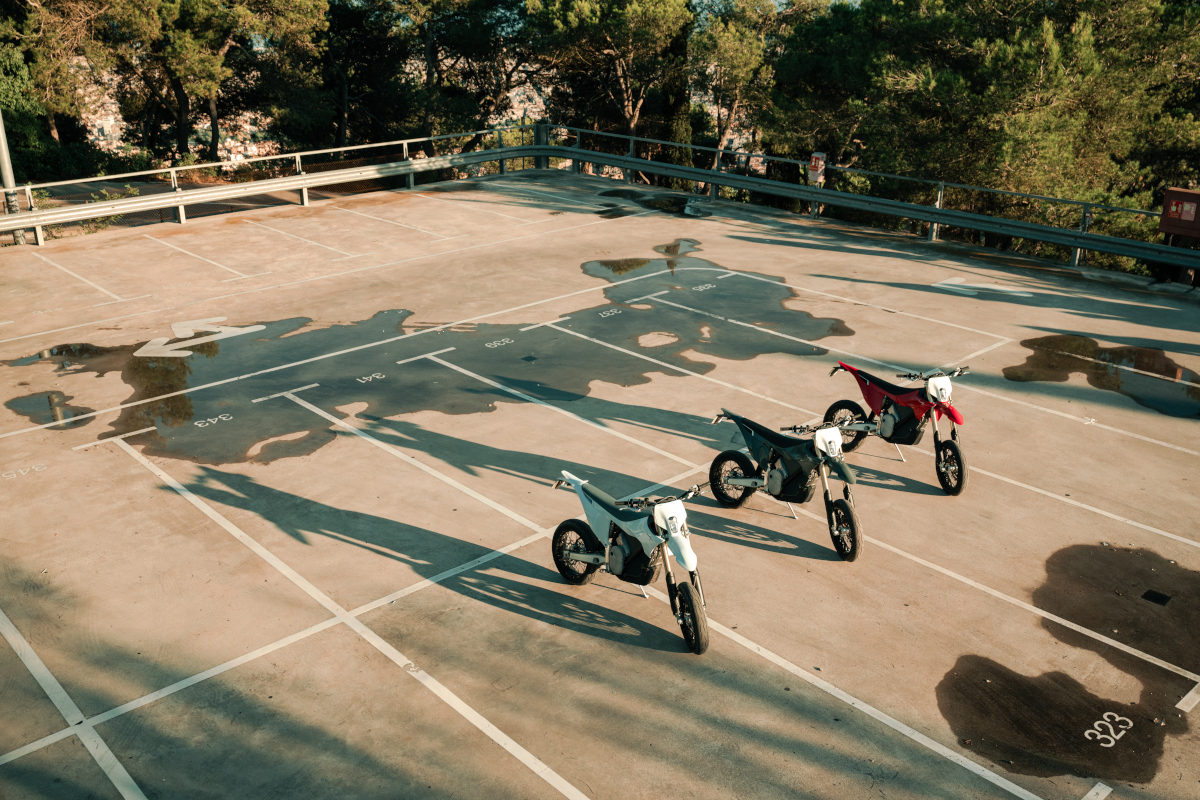
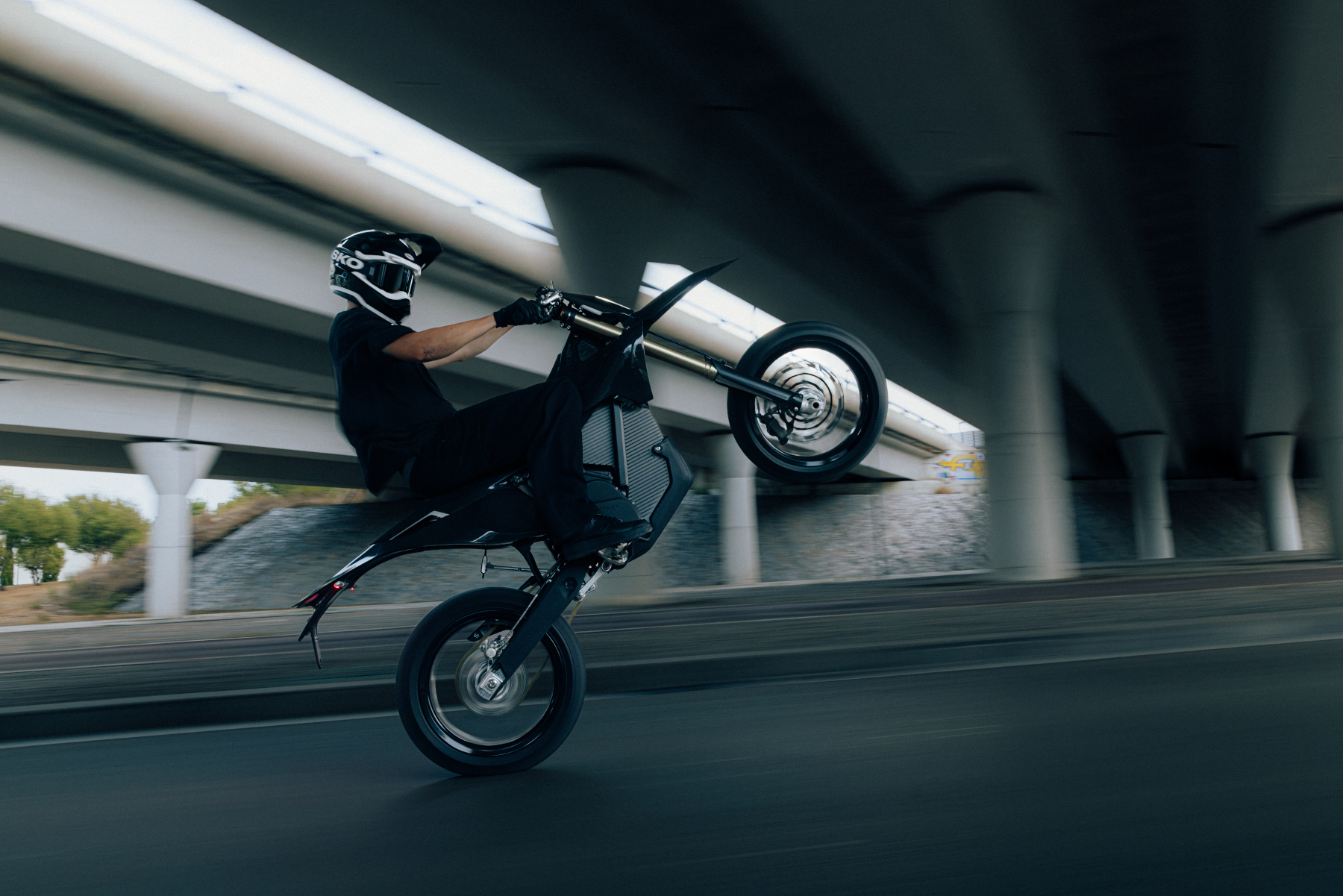
With 17-inch wheels and an asphalt-focused setup, the VARG SM demonstrates Stark’s technical capabilities in the premium segment, but does not solve the pricing and scaling equation required by the Asian market. Credit: Stark
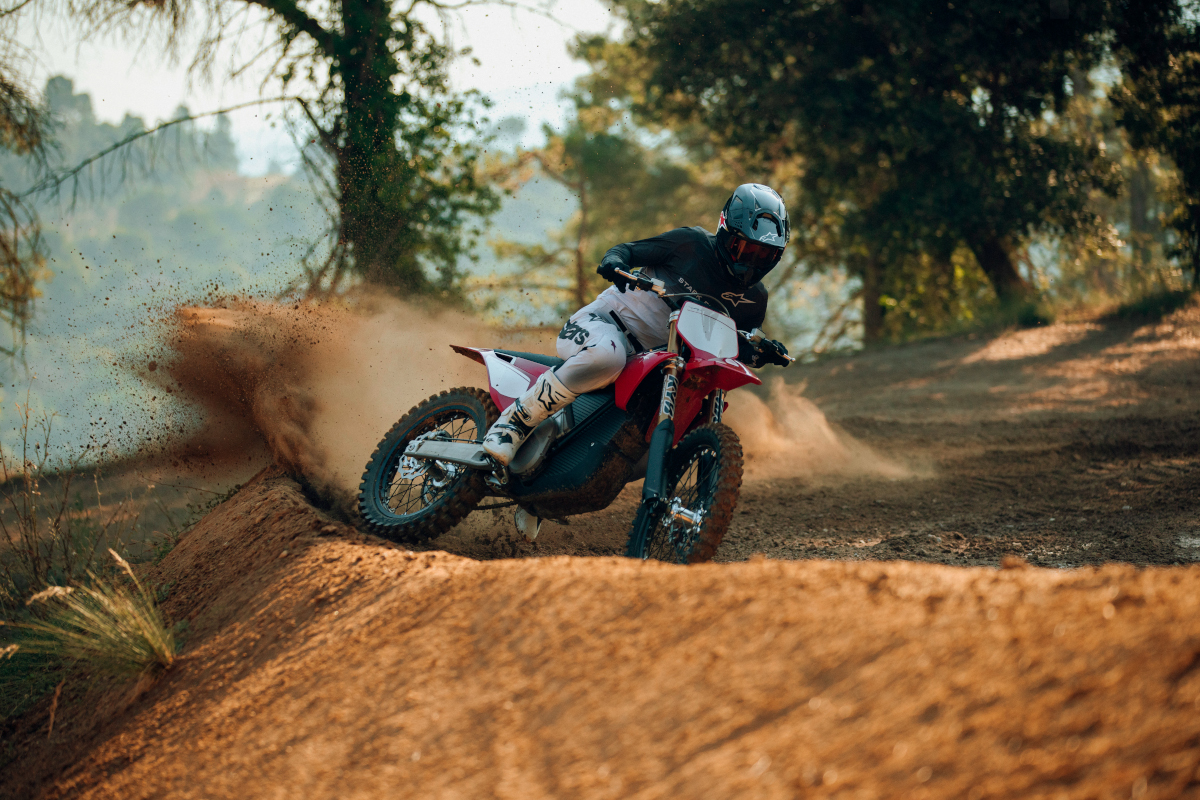
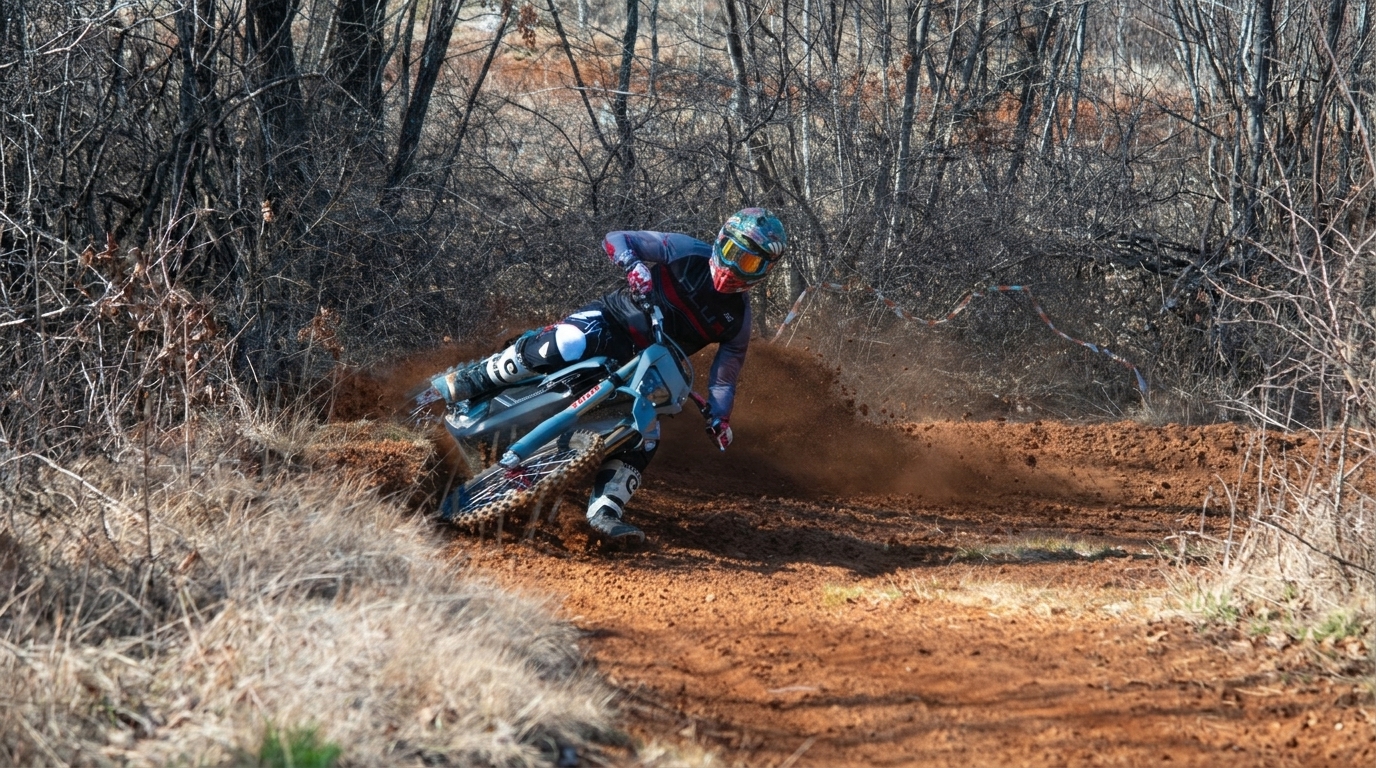
Stark Future built its reputation with high-performance electric motorcycles for motocross and enduro. With the VARG family, it demonstrated that electric propulsion can compete with combustion-engine models in a specialized segment. The Gimli project represents a change in direction: developing competitively priced electric motorcycles for Asia’s 100–500cc market, moving beyond a higher-value niche to compete for market share against manufacturers with decades of experience in production, distribution, and cost control.
A Market of 30 Million Motorcycles
When presenting Stark’s plans in September 2025, as part of the Stark Files series, CEO Anton Wass estimated the annual Asian market for conventional motorcycles, excluding scooters, at approximately 30 million units — a figure that varies depending on the criteria and countries included. The company’s stated ambition is to reach annual sales of millions of units, although it has yet to disclose intermediate targets or a timeline for achieving that volume.
Market size, however, does not guarantee an automatic transition to electric motorcycles. Price, range, charging infrastructure, and usage habits remain significant barriers to replacing combustion-engine models.
The Challenge of Combining Price and Performance
According to Wass, the Gimli is expected to outperform equivalent combustion-engine motorcycles in power, weight, and range, while also offering charging times comparable to conventional refueling. Reconciling these targets with a competitive price will be the main technical and commercial obstacle: greater range generally requires larger and more expensive batteries, while fast charging depends both on onboard technology and the availability of external charging infrastructure.
Competition also sets clear limits. Japanese, Indian, and Chinese manufacturers already operate with substantial industrial scale, established suppliers, and consolidated distribution networks. To win over this customer base, Stark will need to go beyond technological appeal and demonstrate tangible advantages in cost, performance, and practicality.
From Thousands to Millions of Motorcycles
The gap between Stark’s current operations and the ambition outlined by Wass illustrates the scale of the challenge. In the first half of 2026, the company delivered 8,124 motorcycles, a 45% increase over the same period in 2025. If that pace is maintained throughout the year, total deliveries would reach approximately 16,250 units — an annualized reference based on first-half deliveries, not a measure of installed capacity or a formal forecast.
Even from this starting point, the required multiples are substantial:
- 100,000 motorcycles/year: approximately 6 times the current volume;
- 500,000 motorcycles/year: more than 30 times that pace;
- 1 million motorcycles/year: approximately 62 times;
- 2 million motorcycles/year: more than 120 times the current annualized volume.
Growing at this rate means more than simply accelerating assembly lines. It requires restructuring the entire operation — from battery and motor manufacturing to the supply chain, logistics, and distribution.
The Capital to Finance Expansion
The funding round of more than €150 million announced in November 2026 provides significant financial headroom to begin this transition. Although the transaction valued the company at €1.2 billion before the investment (pre-money), valuation should not be confused with available cash. The amount raised is substantial relative to projected 2026 revenue of approximately €150 million and provides funding for important stages of development, industrialization, and regional assembly.
Even so, the amount falls far short of fully financing an industrial structure capable of producing millions of motorcycles per year. Expansion on this scale will require ongoing investment in factories, automation, suppliers, inventory, and working capital — a process that will likely also depend on industrial partnerships, cash generation, and additional fundraising. The central question, therefore, will be the company’s ability to convert this capital into productive capacity and sustainable growth.
A Shift in Industrial Scale
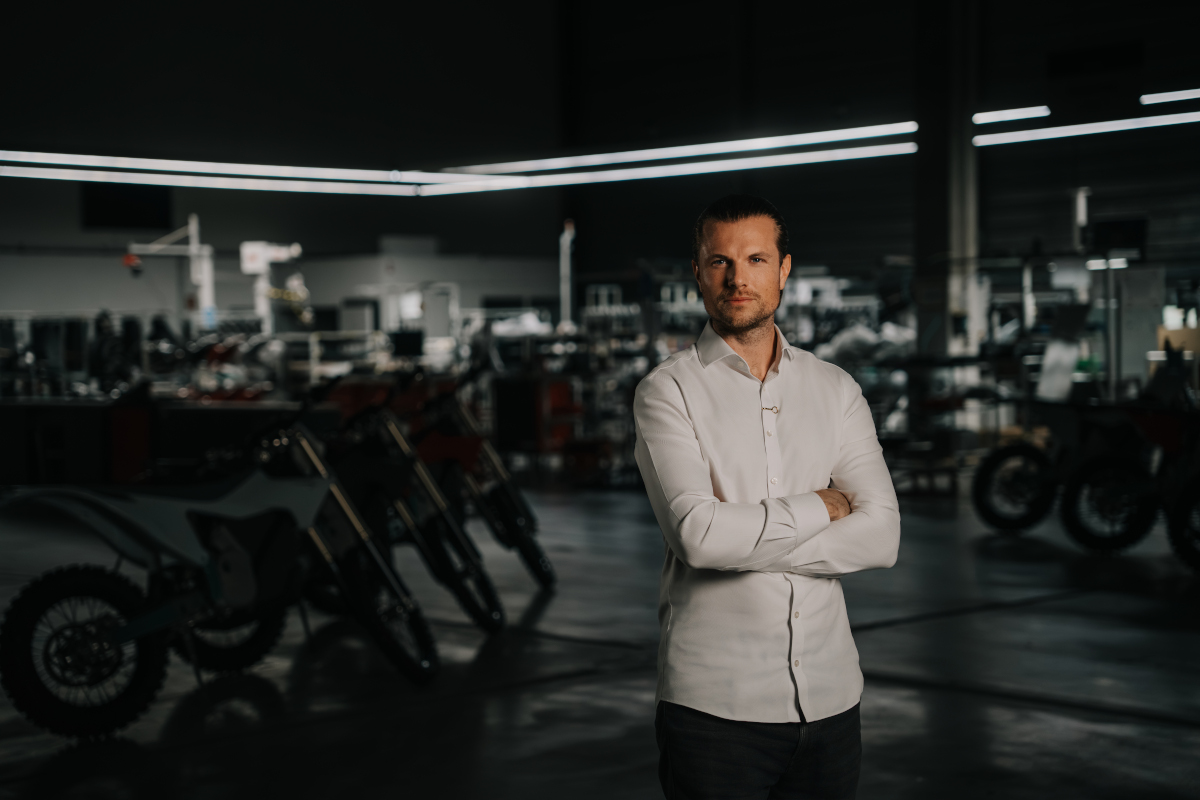
Anton Wass faces Stark Future’s most complex challenge: turning its success in the electric motorcycle niche into an industrial operation capable of competing for millions of units annually. Credit: Stark
Described by Wass himself as potentially Stark’s most difficult project, Gimli was still in the early research stage when it was presented in September 2025. To bring it to market, the company will need to build an infrastructure different from the one supporting the VARG, including distribution and technical service networks adapted to different Asian countries.
Although the executive mentioned plans to expand capacity in Europe and establish final assembly facilities in other regions, including Asia, local assembly alone may not be enough. Competing on price with Asian manufacturers will require the development of local suppliers and a more integrated production chain. As of November 2026, the company had not disclosed technical specifications, pricing, a launch schedule, or confirmation of a dedicated manufacturing facility for the project in the region.
The Real Test for Stark Future
With the VARG, Stark proved that it can develop competitive electric motorcycles in a niche market. Gimli presents a challenge of an entirely different order: determining whether that technical expertise can be translated into industrial scale, cost discipline, and commercial execution in one of the world's most competitive markets.
A tradução preserva a estrutura, os títulos, os parágrafos, as listas, os espaçamentos e os caminhos das imagens do original.