With more than €150 million raised in a new funding round, the Spanish manufacturer reaches a €1.2 billion pre-money valuation. Rapid growth, positive margins, and proprietary technology help explain investor interest, but the valuation also reflects ambitious expectations for expansion beyond the off-road segment.

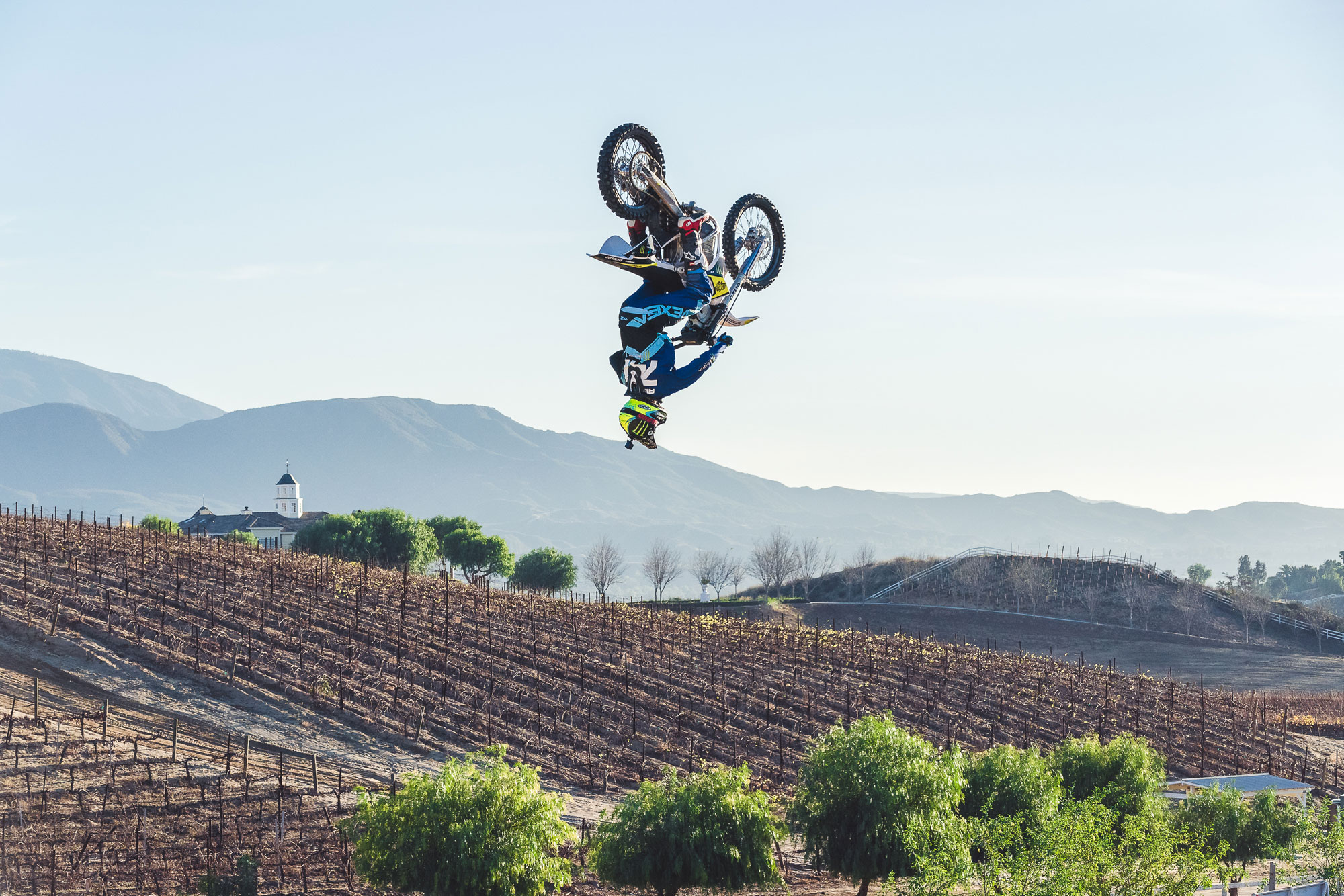
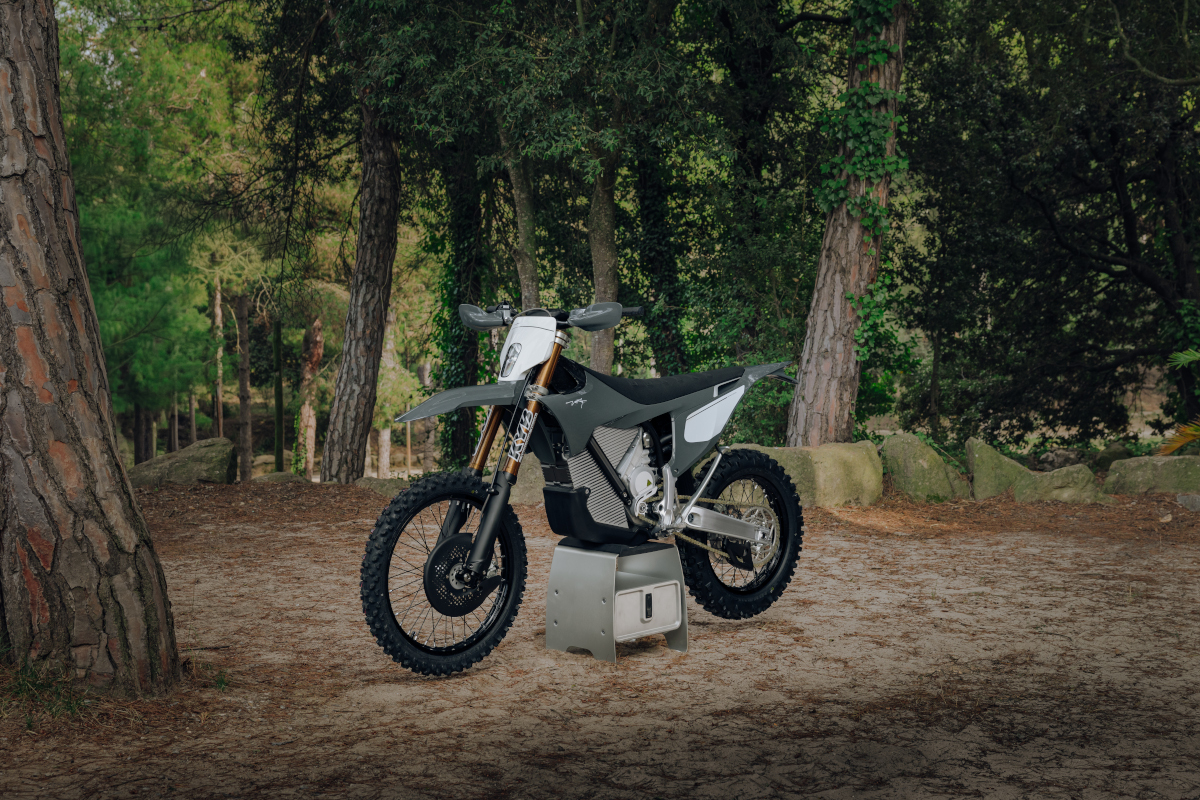
Stark Future VARG — a high-performance electric motorcycle that put the Spanish manufacturer on the global motocross and enduro map. Credit: Stark Future.
Stark Future has reached a €1.2 billion pre-money valuation after completing a funding round of more than €150 million. Founded in 2020 in Barcelona, the Spanish electric motorcycle manufacturer has evolved from a business focused on motocross and enduro into a company aiming to compete across multiple segments of the global two-wheel market.
The valuation stands out not only because of the size of the funding round, but also because of the company's current scale. In the first half of 2026, Stark reported delivering 8,124 motorcycles, generating €86 million in revenue. This represents year-over-year growth of 45% in deliveries and 46% in revenue compared with the same period last year.
The central question, therefore, is not simply how an electric motorcycle manufacturer managed to attract more than €150 million in investment. It is understanding what supports a €1.2 billion valuation for a company that is still building its industrial and commercial scale.
From the First Strategic Investment to the €150 Million Round
The partnership with Eicher Motors, the parent company of Royal Enfield, marked an important milestone in Stark Future's investment history. Credit: Stark Future.
Stark's funding history helps explain the evolution of its valuation and the profile of the investors who have backed the company.
One of the first major strategic moves came in December 2022, when India's Eicher Motors, the parent company of Royal Enfield, announced a €50 million investment in Stark. The transaction represented approximately 10.35% of the company's equity and also included collaboration in research and development, technology, and manufacturing.
In 2024, Stark secured a €40 million credit facility from the European Investment Bank (EIB). Unlike Eicher's investment, this transaction was debt financing intended to support research, development, and innovation activities, as well as the expansion of production capacity.
In September 2025, the company announced a new equity funding round, involving mainly existing shareholders and new investors. At the time, Stark said it had surpassed €100 million in cumulative investment. The €750 million valuation attributed to the company during that period was subsequently reported by Reuters.
The round announced in November 2026 represents a new milestone. The transaction, exceeding €150 million, was led by Highland Europe, with participation from the 1GT strategy of Morgan Stanley Investment Management and Spain's Axon Partners Group, alongside existing shareholders and new investors.

The funding round of more than €150 million, led by Highland Europe, included participation from 1GT, Morgan Stanley Investment Management, and Axon Partners Group. Credit: Stark Future.
Stark said the round was oversubscribed relative to its initial target and left open the possibility of a second closing, potentially bringing in additional strategic partners.
Stark Future's Funding History
| Period | Transaction | Amount | Type |
|---|---|---|---|
| December 2022 | Eicher Motors investment | €50 million | Equity |
| August 2024 | European Investment Bank financing | €40 million | Debt |
| September 2025 | New round involving existing shareholders and new investors | Not disclosed | Equity |
| November 2026 | Round led by Highland Europe, 1GT, and Axon Partners Group | More than €150 million | Equity |
These amounts should not be added together as if they represented a single category of capital. Eicher's investment and the equity rounds represent ownership stakes, while the €40 million from the EIB is financing that must be treated as debt.
It is also important not to interpret this history as a complete record of every capital-raising transaction undertaken by the company. The table brings together significant transactions for which the amounts and nature of the financing can be identified in publicly available sources.
The Operational Growth Behind the Valuation
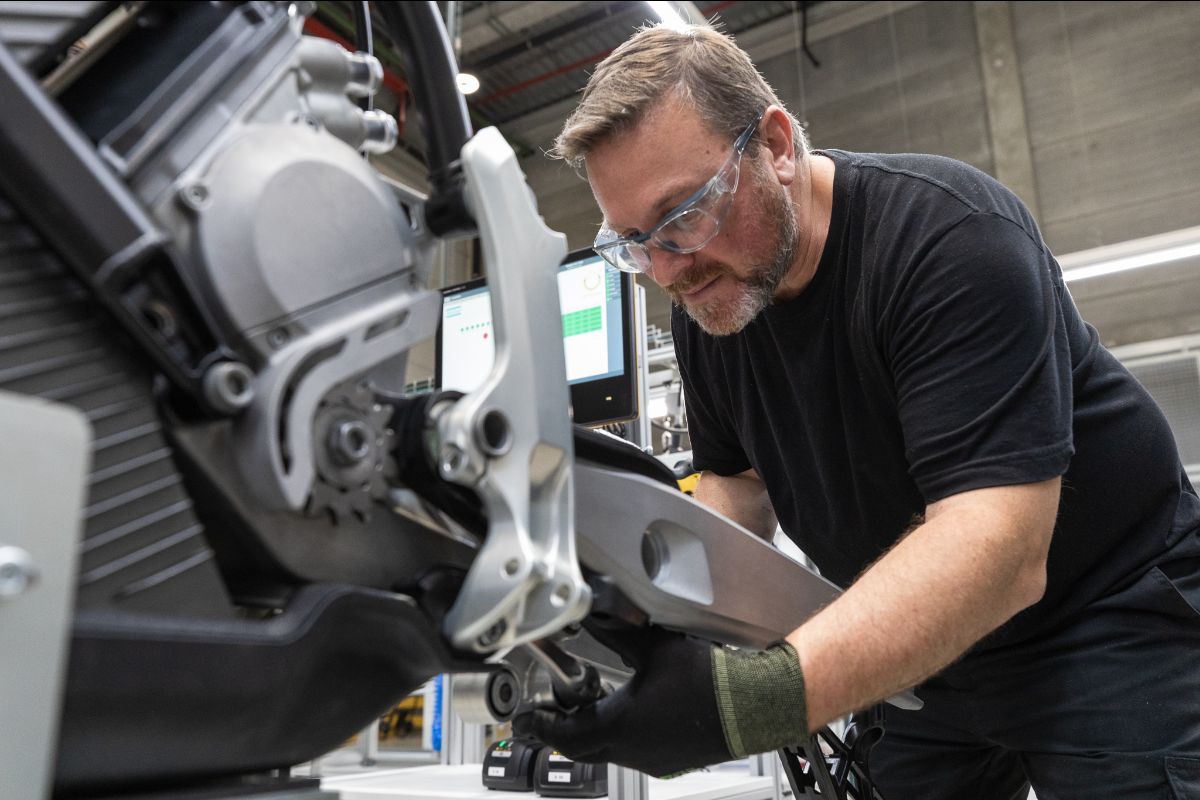
Stark Future's facilities on the outskirts of Barcelona, where the company develops and manufactures its electric motorcycles. Credit: Stark Future.
Stark's financial performance is one of the main factors helping explain investor interest.
In 2025, the company generated approximately €115 million in revenue. For 2026, founder and CEO Anton Wass projects revenue of around €150 million, representing growth of approximately 30% compared with the previous year.
The first-half figures indicate that the company is maintaining its growth trajectory. According to results disclosed by Stark, revenue reached €86 million, while deliveries totaled 8,124 motorcycles.
| Metric | First Half of 2026 |
|---|---|
| Revenue | €86 million |
| Revenue growth | 46% |
| Motorcycles delivered | 8,124 |
| Delivery growth | 45% |
| Gross margin | 39.6% |
| EBITDA | €5.3 million |
| EBITDA margin | 6.1% |
| Operating income (EBIT) | Positive |
The financial and operational data were disclosed by Stark and reproduced by industry media. They do not, in themselves, constitute an independent audit of the company's results.
Two indicators deserve particular attention. The first is the gross margin of 39.6%, which increased by 9.3 percentage points compared with the first half of 2025. The second is positive EBITDA of €5.3 million, following a negative result of €1.7 million in the same period last year.
The company also reported positive operating income (EBIT) for the half-year. The distinction matters: while EBITDA excludes interest, taxes, depreciation, and amortization, EBIT includes depreciation and amortization, providing a more comprehensive view of operating performance.
Even so, one positive half-year does not, by itself, prove that the company has achieved sustainable profitability. Maintaining margins, generating cash, and financing expansion without continuously relying on new funding rounds will need to be monitored.
€1.2 Billion: What Are Investors Paying For?
The €1.2 billion valuation corresponds to the pre-money valuation announced in the November 2026 funding round. In simple terms, it is the value assigned to the company before the new capital is injected.
This concept should not be confused with the market capitalization of a publicly listed company. Stark is privately held, and its valuation results from the terms negotiated between investors and shareholders in the funding round. It is also not necessarily equivalent to enterprise value, which takes into account the company's capital structure and cash and debt positions.
One way to put the figure into context is to compare it with revenue.
Based on projected revenue of €150 million for 2026, the pre-money valuation represents approximately eight times expected annual revenue. Using the €115 million recorded in 2025, the multiple would be approximately 10.4 times that year's revenue.
These are high multiples for an industrial manufacturer, particularly when compared with those of traditional companies in the sector. But Stark's valuation does not appear to be based solely on its current motorcycle sales volume. Investors are also pricing in the possibility of growth into new categories, geographic expansion, and the ability to leverage a proprietary technology platform.
The gap between current revenue and the value assigned to the company reveals the scale of those expectations.
A Comparison with LiveWire Helps Put the Bet into Perspective
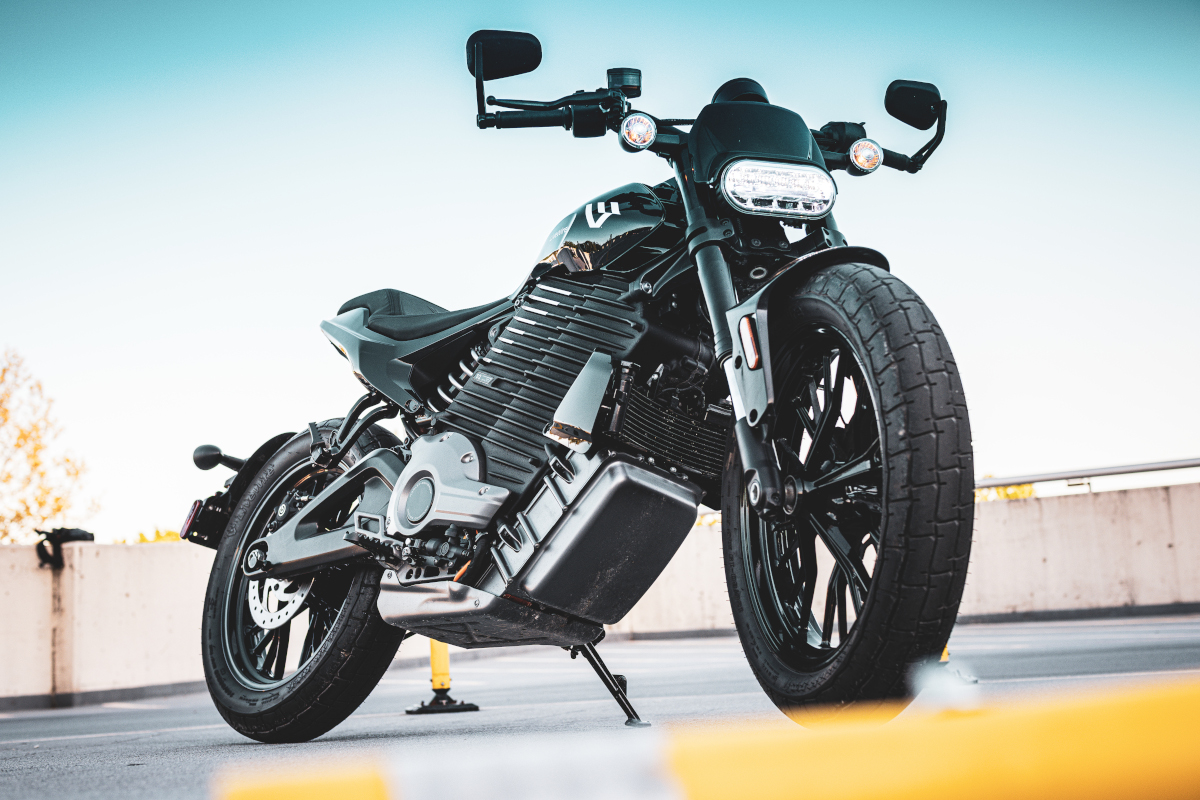
Stark Future and LiveWire represent different strategies in the electric motorcycle market: the former started in high-performance off-road, while the latter focuses on electric street motorcycles. Credits: LiveWire.
LiveWire, the electric motorcycle manufacturer affiliated with Harley-Davidson and listed on the New York Stock Exchange, provides an interesting reference point for examining how the market values companies in the same segment.
In 2025, LiveWire reported consolidated revenue of US$25.7 million and an operating loss of US$75.5 million. On November 16, 2026, its market capitalization was approximately US$60 million, according to market data available on that date.
That corresponds to approximately 2.3 times its 2025 revenue. The calculation is indicative only: it compares the market capitalization of a publicly traded company with revenue from a completed financial year, while Stark's multiple uses a private pre-money valuation and projected 2026 revenue.
Differences in scale, product portfolios, financial structures, ownership stakes, and growth expectations also prevent a direct comparison.
Even so, the contrast is striking. Stark is valued at approximately eight times its projected 2026 revenue, while LiveWire trades at approximately 2.3 times its reported 2025 revenue.
This does not necessarily mean that one company is correctly valued and the other is not. The two companies have very different structures, strategies, and prospects. The comparison mainly serves to illustrate the level of expectations built into Stark's valuation.
The Spanish manufacturer is delivering rapid growth, positive margins, and an expanding industrial operation. LiveWire, on the other hand, continues to face challenges in turning its premium electric motorcycle proposition into a financially sustainable business.
The contrast shows that the market is not simply evaluating the electric motorcycle segment, but also each company's ability to build a profitable business and expand its market position.
Proprietary Technology as a Competitive Advantage
An important part of Stark's investment thesis lies in the technology it develops in-house.
The VARG platform is not simply a collection of electric components installed in a conventional motorcycle. The company has developed its own architecture, integrating the motor, battery, power electronics, software, and control systems.
This integration allows greater control over the motorcycle's dynamic behavior, power delivery, and rider experience. It also creates a technological foundation that can be leveraged in the development of different products.
The intellectual property and accumulated expertise from developing the VARG represent strategic assets. In a market where many manufacturers still depend on external suppliers for critical components, controlling a significant part of the product architecture can provide advantages in performance, costs, and development speed.
However, proprietary technology alone does not guarantee a lasting competitive advantage. The ability to turn that intellectual property into commercially competitive products, with scale and sustainable margins, will be decisive.
The Ambition to Move Beyond Motocross and Enduro
Expansion into other categories is probably one of the most important elements in understanding the €1.2 billion valuation.
Electric motocross and enduro have allowed Stark to build its reputation, demonstrate the capabilities of its technology, and establish a relevant position in a segment where performance and innovation are decisive factors.
However, the off-road motorcycle market, despite its strategic importance, has natural limitations in terms of volume.
The company intends to use its technological and industrial experience to reach broader categories, including urban motorcycles, more versatile models, and products aimed at different consumer profiles.
The Älg and Lo projects represent part of this expansion strategy. The ambition is to bring the technology developed for high-performance motorcycles to a broader product range and significantly expand the company's potential market.
This shift in positioning, from an off-road specialist to a company seeking to operate across different two-wheel segments, helps explain why investors may accept a valuation so far above current revenue.
The potential market is much larger. But so are the demands for development, homologation, distribution, after-sales service, and price competitiveness.
What Could Go Wrong?
The €1.2 billion valuation assumes that Stark can turn its current growth into a larger global operation.
That path involves significant challenges.
The first is industrial. Increasing production while maintaining quality, competitive costs, and positive margins requires ongoing investment in production capacity, suppliers, and manufacturing processes.
The second is commercial expansion. Entering new categories means competing for consumers against established manufacturers and companies that already have consolidated distribution and service networks.
There are also technological challenges. Range, charging times, battery durability, and purchase prices remain relevant factors in the adoption of electric motorcycles, particularly outside premium and performance segments.
Finally, there is execution risk. A rapidly growing company may struggle to maintain its margins as it expands its portfolio, enters new markets, and needs to support a larger commercial infrastructure.
Stark has already demonstrated that it can develop competitive products and build a relevant commercial operation in electric off-road. The next step is proving that this model can be replicated in larger categories without compromising profitability.
A Bet on What Stark Could Become
The most interesting thing about Stark is not simply that it has achieved unicorn status. It is that a relatively young manufacturer, with projected revenue of €150 million for 2026, has managed to negotiate a €1.2 billion valuation.
The company has operating indicators that justify part of the enthusiasm: significant growth, improving margins, positive EBITDA, and proprietary technology. This is not simply a technological promise or a startup that still needs to demonstrate its ability to manufacture products.
But the valuation also incorporates expectations that go far beyond the current business.
To sustain this valuation, Stark will need to turn its leadership in electric off-road into a meaningful position in the global motorcycle market, expanding its portfolio, geographic presence, and industrial scale.
The question remains: have investors identified a future global leader ahead of time, or are they paying today for growth that has yet to happen?