Chapter 5: The New Horizon: What Happened to the 2017 Predictions?
The forecasts underestimated the difference between technical feasibility and scalable deployment, as well as the economics required to sustain it. Regulation, insurance, liability, public acceptance, fleet maintenance, remote assistance, and mapping all influence whether an autonomous-driving system can move beyond a successful demonstration into a viable service. Autonomous driving is not one technology, but an entire ecosystem.
The optimism surrounding autonomous driving in the late 2010s was driven by rapid progress in machine learning, sensors, and vehicle automation. Yet moving from a vehicle capable of performing a driving task to a system that can operate reliably and economically at scale proved far more complex.
A successful technical demonstration does not establish commercial viability. Likewise, a commercial service operating within a defined area does not mean the same system can operate across all roads, weather conditions, and traffic environments. The industry's experience suggests that widespread autonomy depends not only on vehicle capability, but also on safety validation, operational design domains, infrastructure, regulation, and the economics of sustained deployment.
The original 2017 forecasts therefore need to be judged against their specific assumptions, target dates, and definitions of success. Some predictions were delayed, some partially realized, and others revised as the technical and commercial landscape changed.
The New Forecast
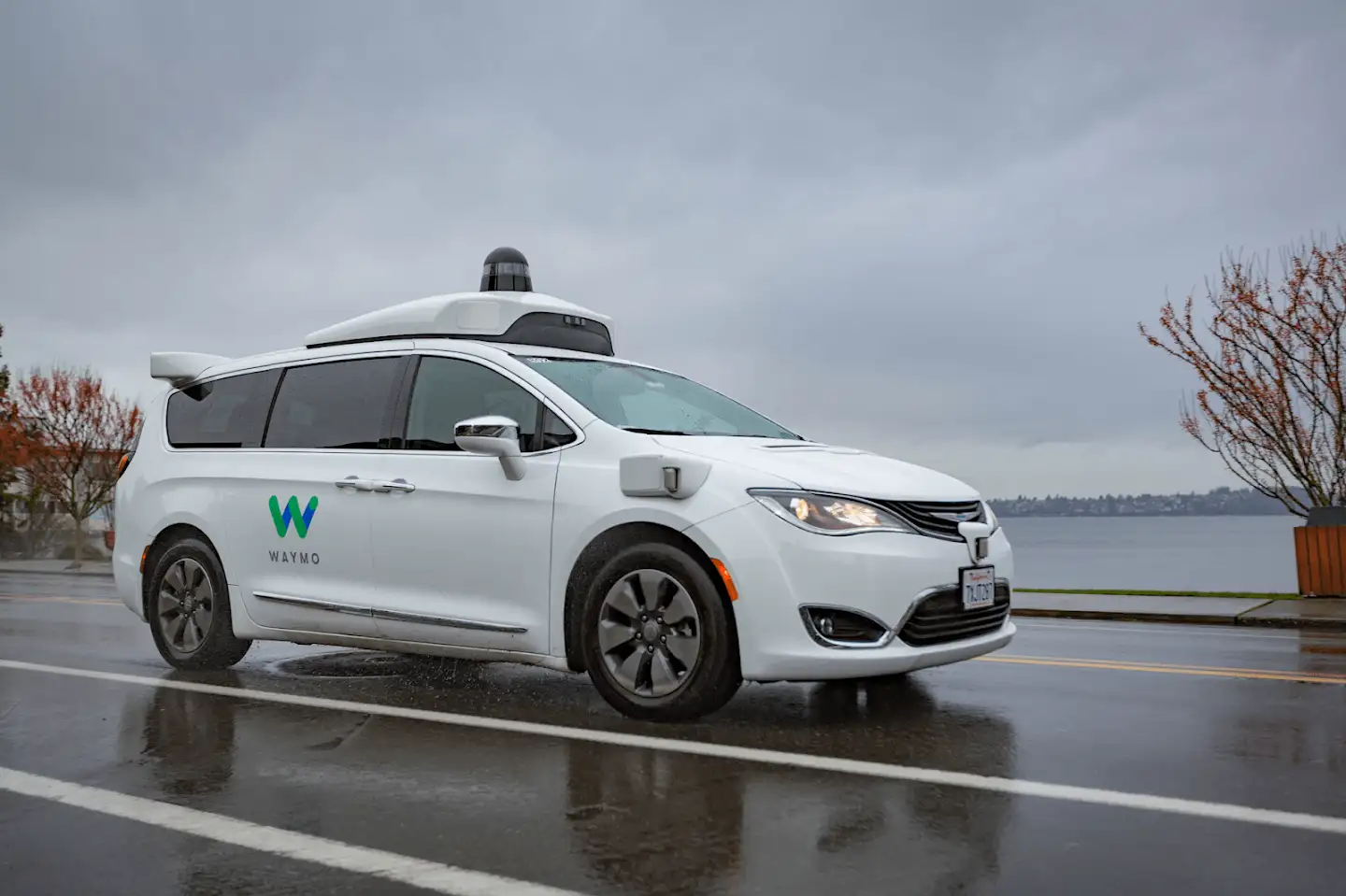
Current expectations are increasingly differentiated by application and geography. McKinsey's January 2026 survey of autonomous-vehicle industry experts reports that Level 4 robotaxis are already available in initial cities in the United States and China, while large-scale global deployment is expected around 2030 rather than 2029. The survey places autonomous-trucking viability around 2032. These are expert expectations, not guaranteed deadlines.
Deployment is also occurring across different operational domains. Robotaxis are expanding in selected cities, autonomous trucks are being developed for specific routes and operating conditions, and industrial vehicles can operate in controlled environments. Highway automation and private vehicles follow different technical, regulatory, and commercial paths.
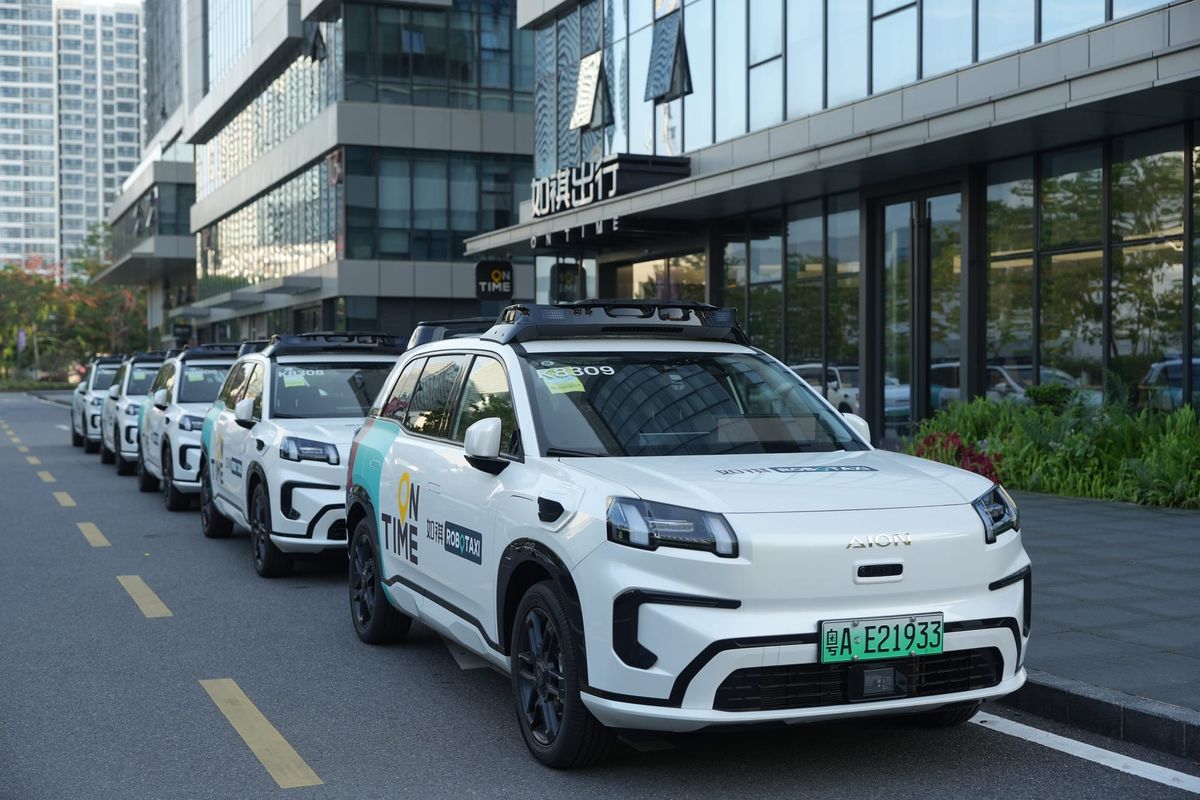
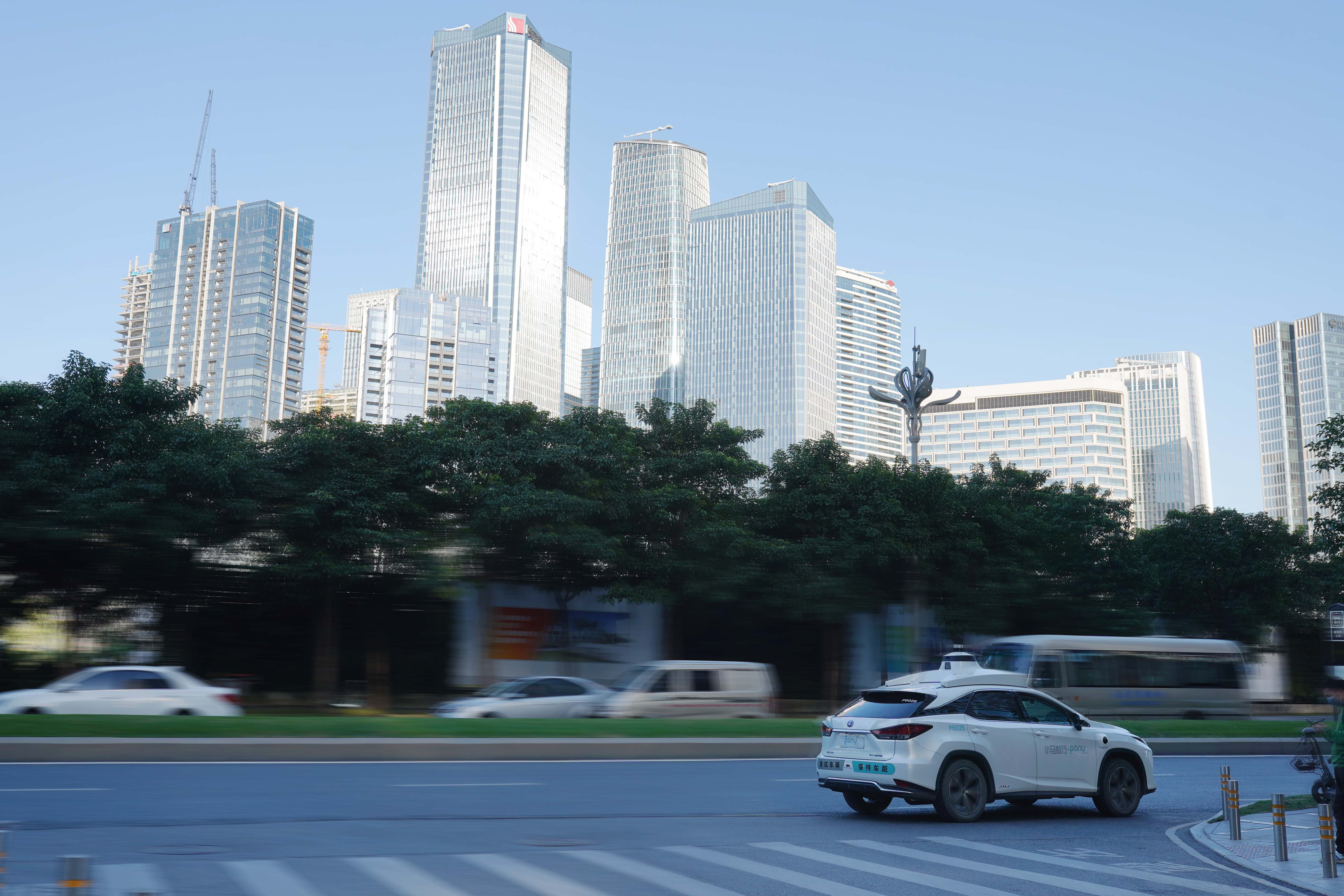
 Pony.ai Robotaxis operate in real-world urban environments as autonomous driving moves from technical demonstrations toward commercially deployed Level 4 services.
This distinction is fundamental because autonomy is defined within an operational design domain. A Level 4 vehicle can operate without a human driver ready to take over within its defined conditions, but it is not designed to operate autonomously everywhere. Its capabilities depend on the environment for which the system was developed and validated.
Over the past two decades, the industry's challenges have therefore expanded rather than followed a single sequence. Early research focused on navigation and vehicle control. Later systems made major advances in perception and decision-making. Commercial deployment introduced additional demands, including data collection, unusual scenarios, safety validation, remote assistance, maintenance, regulation, and cost. Progress in one area does not eliminate the others.
The Revolution Did Not Disappear; It Changed Shape
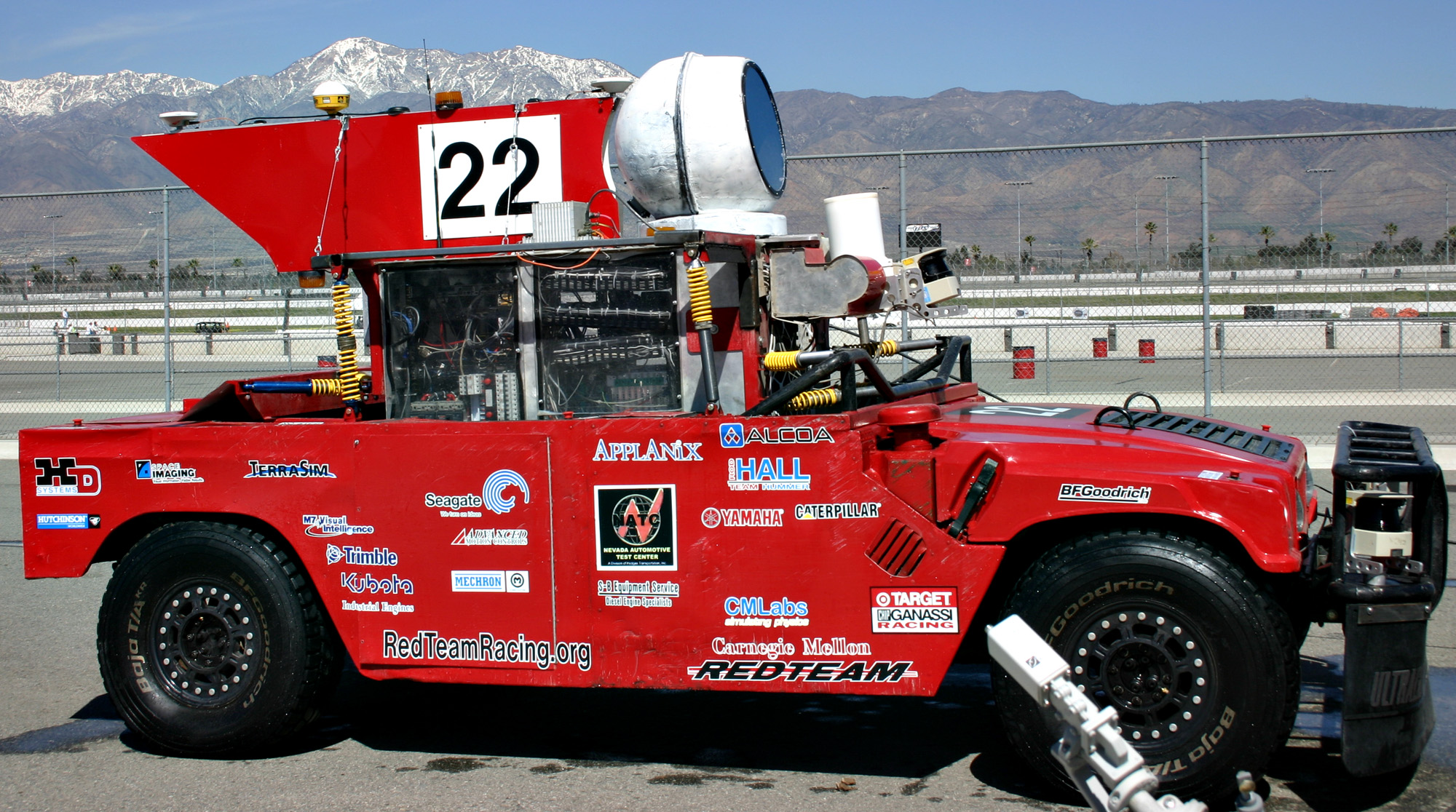
The history of autonomous driving is a story of technological maturation, but also of changing objectives. DARPA's early challenges showed that autonomous vehicles could navigate difficult environments under defined conditions. The 2005 Grand Challenge marked a major advance over the failed 2004 attempt, while the 2007 Urban Challenge extended the research into a controlled urban environment involving traffic interactions and complex maneuvers.
During the 2010s, deep learning drove major improvements in machine perception and helped accelerate commercial and research investment. But these advances did not resolve every challenge associated with reliable autonomous operation. Perception, prediction, planning, safety validation, and operational constraints remained interconnected.
The resulting investment expansion helped establish new companies, research programs, and technological approaches. As the industry moved toward commercial services, however, the focus increasingly shifted toward the cost of deployment, fleet maintenance, and the requirements of operating safely and legally within real-world environments.
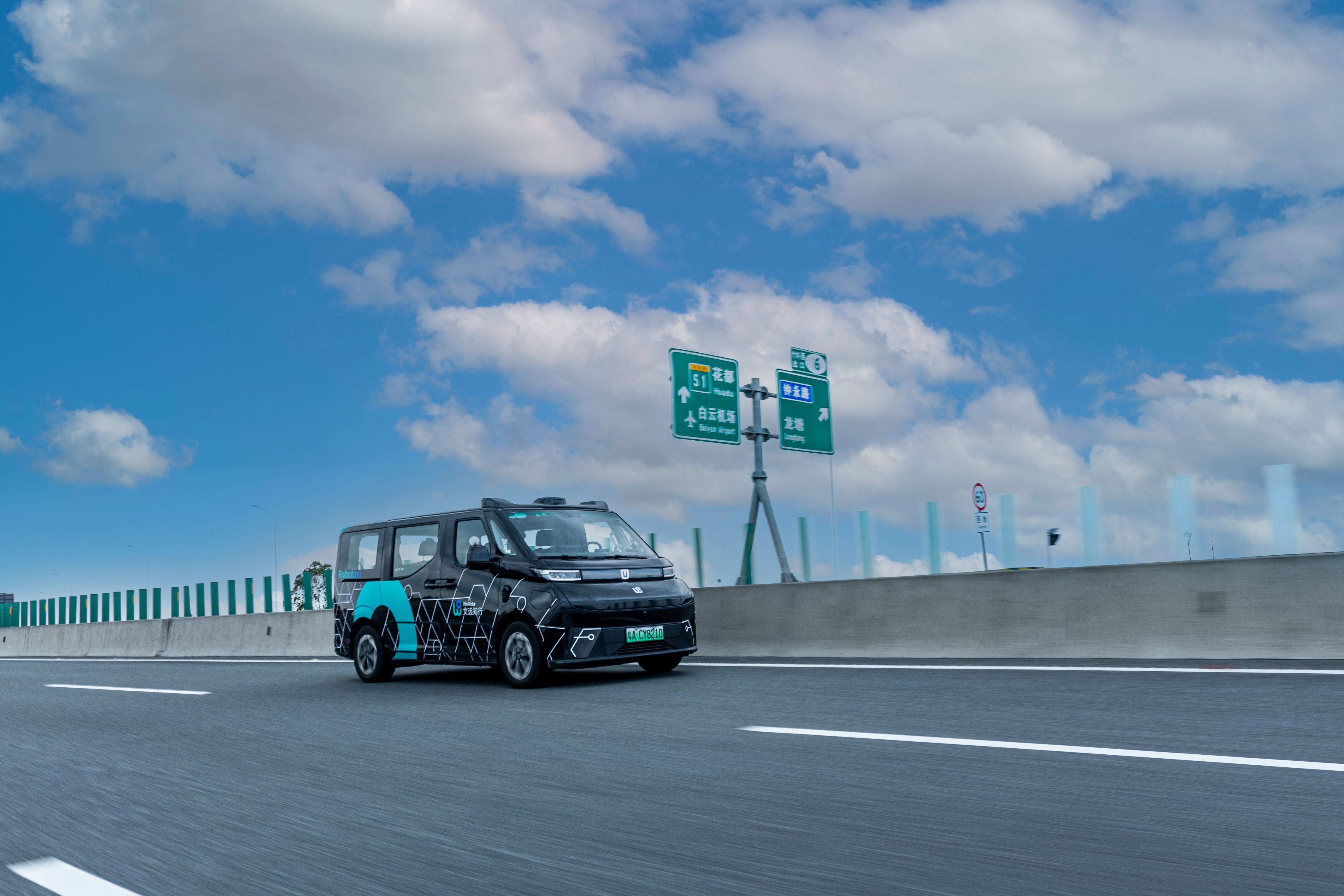 WeRide Robotaxis navigate urban streets as autonomous driving moves from controlled demonstrations toward commercial operations in defined environments.
The robotaxi era has demonstrated that Level 4 autonomy can operate commercially in defined environments. That is a meaningful operational milestone, but it is not the same as universal autonomous driving, nor does it establish that every proposed business model will be economically sustainable.
The foundation-model era introduces another question: whether more general AI systems can improve autonomous vehicles' ability to perceive, reason about, and act across diverse driving situations. This raises questions about generalization, robustness, and safety-critical reliability. It does not, by itself, establish artificial general intelligence.
The first generation of autonomous-driving research focused on teaching machines to perform driving tasks. The emerging generation is exploring how systems can represent and respond to a broader range of situations in the physical world. The underlying problem remains the same, but the methods and expectations are changing.
Twenty Years After the First DARPA Challenge
In 2004, DARPA asked whether a machine could drive across the desert. The answer was no: none of the vehicles completed the designated route. In 2005, the answer changed. Stanford Racing Team's Stanley won the competition, and five vehicles completed the 132-mile course.
The 2007 DARPA Urban Challenge extended the research into a staged urban environment. Vehicles had to drive in traffic and perform complex maneuvers, including merging, passing, parking, and negotiating intersections. Six robotic vehicles completed the final event.
During the 2010s, autonomous driving became a major field of research, entrepreneurship, and investment. Advances in machine learning, computing, sensing, and mapping produced increasingly capable systems. The transition toward commercial deployment then exposed the additional requirements of operating those systems consistently, safely, and economically.
 Commercial autonomous driving depends on more than the vehicle itself, requiring fleet operations, remote assistance, maintenance, mapping, and continuous system validation.
In the 2020s, Level 4 robotaxis moved into commercial operations in selected environments, providing practical evidence about the challenges of running autonomous fleets. At the same time, industry forecasts continued to distinguish between initial deployments and large-scale adoption, with McKinsey's January 2026 survey placing broader rollout around 2030.
Now the industry faces a broader question: can artificial intelligence move from performing specific driving tasks to supporting systems that are sufficiently general, reliable, and economical to operate safely across a wide range of physical-world conditions?
That question extends beyond the original DARPA challenge. Early competitions tested whether machines could complete defined routes and maneuvers. Modern autonomous-driving programs must sustain complex systems involving vehicles, software, infrastructure, people, regulation, and business models.
Autonomous driving may ultimately be remembered as an important early field in the effort to build artificial intelligence capable of perceiving, reasoning about, and acting in the real world. Its development has taken longer and followed a more varied path than many early forecasts suggested. But the underlying challenge has remained consistent: creating machines that can perform useful actions in environments that are dynamic, uncertain, and difficult to fully anticipate.
The revolution did not disappear. It became a broader engineering and operational problem, one in which progress is measured not only by whether a machine can drive, but whether it can do so safely, reliably, and sustainably within the conditions for which it was designed.